
The Port Concord of Black Anchor
After its founding, the Port Concord grew by balancing three needs that constantly fought one another: keep the harbor open, keep profits flowing, and keep the peace from becoming a war. Their first major triumph came during the Three Winters Blockade, when the faction used false manifests, hidden skids, and salvage barges to feed the city while neighboring ports starved. That victory earned them loyalty and also taught them that hunger could be a weapon. Their first great setback came a decade later when the Bright Lantern Audit exposed a chain of forged tariff rolls. The city survived the scandal, but several reformers were hanged, and the surviving leadership became more secretive and more ruthless. The defining watershed moment was the Ashwake Riots forty years ago, when a dock strike turned into street fighting and a customs fire destroyed half the north quay. Rather than pick a side, the Concord split the settlement into protected zones, paid one faction of workers, armed another, and quietly paid restitution to the families of the dead. From then on, they ruled not as one unified body but as a negotiated truce among captains, clerks, and labor bosses. Today the faction is indispensable, mistrusted, and perpetually one betrayal away from fracture.
The Port Concord of Black Anchor
- Type
- Port authority
- Size
- Large
- Reach
- Very high in Old Harwick
- Base
- Old Harwick
Overview
After its founding, the Port Concord grew by balancing three needs that constantly fought one another: keep the harbor open, keep profits flowing, and keep the peace from becoming a war. Their first major triumph came during the Three Winters Blockade, when the faction used false manifests, hidden skids, and salvage barges to feed the city while neighboring ports starved. That victory earned them loyalty and also taught them that hunger could be a weapon. Their first great setback came a decade later when the Bright Lantern Audit exposed a chain of forged tariff rolls. The city survived the scandal, but several reformers were hanged, and the surviving leadership became more secretive and more ruthless. The defining watershed moment was the Ashwake Riots forty years ago, when a dock strike turned into street fighting and a customs fire destroyed half the north quay. Rather than pick a side, the Concord split the settlement into protected zones, paid one faction of workers, armed another, and quietly paid restitution to the families of the dead. From then on, they ruled not as one unified body but as a negotiated truce among captains, clerks, and labor bosses. Today the faction is indispensable, mistrusted, and perpetually one betrayal away from fracture.
How it began
Old Harwick was once a dangerous but honest harbor watched by a small customs post and a few salvage clans. When the first deepwater breakwater collapsed during the Black Salt Storm, the city nearly starved because no one could unload ships fast enough. A dock forewoman named Marra Vell gathered pilots, tallymen, caulkers, and lighter captains to keep trade moving by any means necessary. She brokered a bargain with shipwrights, tavern houses, and cargo guilds: the port would have one body, one seal, and one set of ledgers, even if those ledgers were edited, duplicated, or hidden. The bargain saved the city, and the Port Concord was born. Over time, the Concord learned that every inspection could be delayed, every confiscation could be redirected, and every scandal could be buried if the harbor still rang with coin. Their founding virtue was survival. Their founding sin was learning that survival rewarded secrecy more than honesty.
How to know them
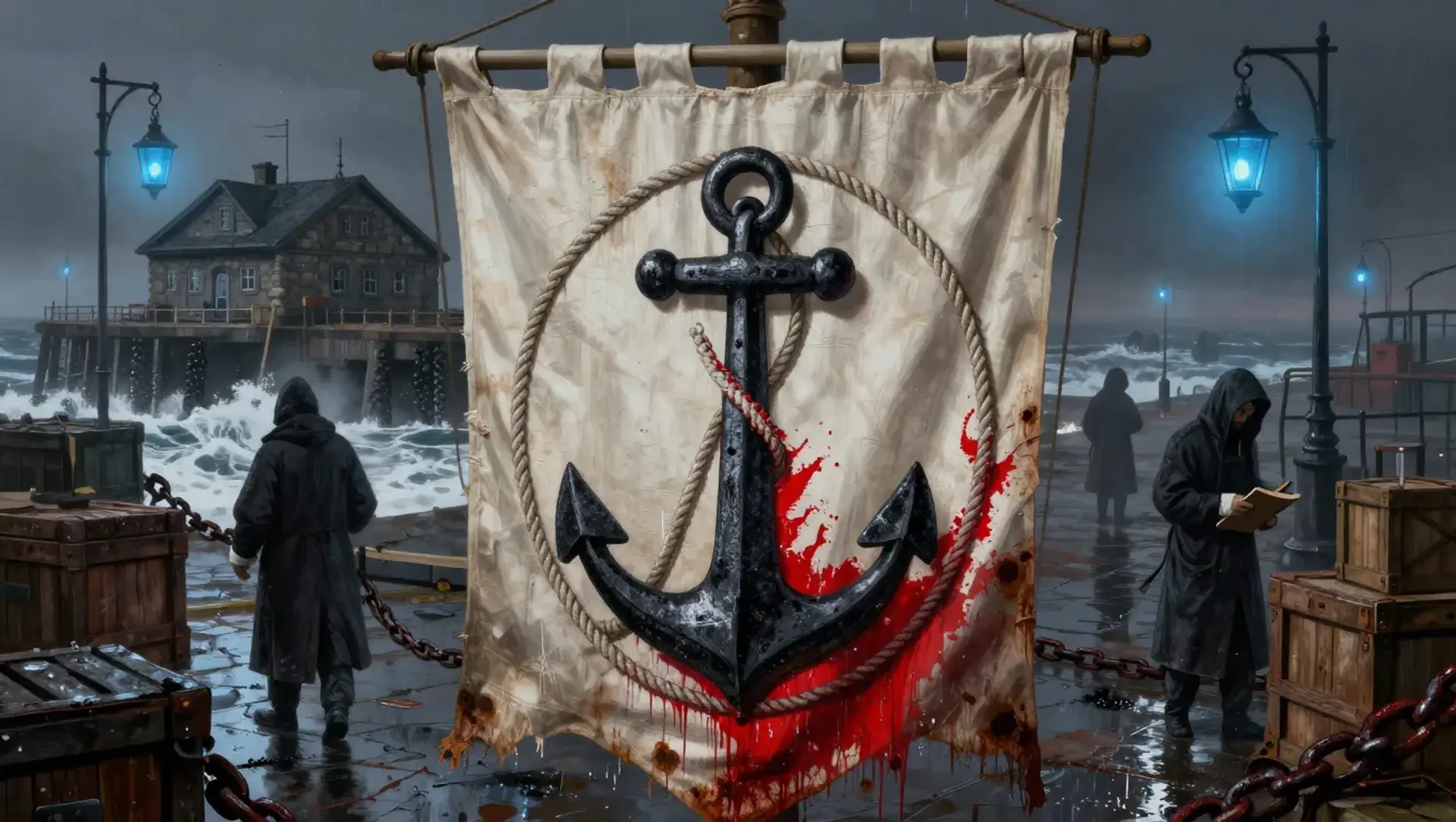
Tar-black, Brine white, Oxide red
Black anchor, Split rope ring, Red tide mark, Blue lantern, Salt-stained ledger
Standing
What they say they want
What they are doing now
Where it leads
To transform Old Harwick from a vulnerable port city into a self-governing maritime power that can tax, bargain, and bleed rivals without ever being conquered outright.
How others see them
To ordinary citizens, they are the reason ships still dock, bread still arrives, and the winter lamps stay lit. They are seen as stern, efficient, and corrupt in the way of necessary institutions. People curse them, fear them, and depend on them in equal measure.
People
6 ranks
Portmaster of the Seal
Measured, disciplined, unsentimental in public, and quietly haunted by the costs of every compromise.
- Portmaster of the Seal1 member
Final arbiter of tariffs, punishments, emergency closures, and secret diplomatic offers. Only they may open the innermost ledger vault.
- Ledger Admirals3 members
Oversee customs records, coded finance, and the allocation of ships, tolls, and bribes across the harbor districts.
- Berth Captains8 members
Each controls a stretch of docks, a crew network, and a warehouse block. They collect fees, keep order, and settle disputes before they reach the streets.
- Tally Wardens24 members
Inspect cargo, audit crews, escort confiscated goods, and maintain the hidden books. Some are honest, most are selective.
- Chainhands and Quay Runners60 members
Laborers, message carriers, river guides, unloaders, and muscle. They form the faction’s real power base and its easiest point of fracture.
- Registered Harbor Kin200 members
Dockworkers, harbor families, tavern keepers, crafters, and minor fixers who owe small debts, favors, or protection to the Concord.
Other key members
- Captain Brannic Silt Leader of the Brine Chain hardliners
- Ledger Admiral Sera Quill Head of hidden finance and records
- Mara Tideborn Quay Marshal and union broker
- Edrin Vale Chief tally warden and rumored traitor
How they are organised
- A sponsor from an existing berth family or labor house
- A debt, oath, or recorded favor to the Tidehall
- Willingness to keep port secrets, even from kin
- Practical skill useful to a harbor: accounting, cargo handling, navigation, enforcement, or forgery
Relations
11 factionsThey keep the port fed with cheap grain and lend cranes, barges, and clerks in exchange for favorable berth access and discreet protection from dockside violence.
Operations
What they do
How they do it
Services for hire
- Silent Berth PassageA favor, a secret, or a percentage of cargo valueArranges passage for people or goods through official or unofficial harbor channels, including forged manifests when needed.
- Harbor ShelterPolitical leverage or proof of loyaltyProvides temporary protection from dock gangs, inspections, or rival smugglers, usually through assigned quay enforcers.
- Manifest WhiteningRare trade goods, bribes, or access to a ledger vaultIssues or launders documents that can make a vessel appear lawful, tax-exempt, or officially forgotten.
- Tidebound IntelligencePayment plus deniable favorsUses labor networks and shipping schedules to spread rumors, create alibis, or uncover who moved through the port.
What they can do
What they have
Where they are weak
Territory
Headquarters
Old HarwickTheir visible seat is the Tidehall, a long stone customs house built on pilings above the quay, with counting chambers, bonded warehouses, and a public hall where captains swear oaths under blue lanterns. Below it, through bricked service stairs and tide gates, lies the Portmaster's Vault: a fortified maze of iron cages, sealed archive rooms, and floodproof chambers for ledgers, captured cargo, and dangerous relics. Farther beneath that, connected by smugglers’ ladders and old drainage cuts, are passages that brush the edge of the Harbor Undervault, where confiscated contraband and ghost cargo still vanish into the dark.
Lands they hold
Outposts
- The Blue Lantern OfficeNorth QuayInspection office and secret meeting site for reformist captains
- The Chalk HouseFishhook AlleyLabor registry, debt office, and recruitment den
- Gullwatch StorehouseOld Harwick outer tidewallOverflow contraband cache and emergency evacuation point
- The Black WinchHarbor Undervault access stairHidden gate control and prisoner transfer station
Secrets
Plot hooks
6 hooks- 1The Missing SealMediumReward: Coin, harbor papers, and a future favor from the TidehallA junior tally warden asks the party to recover a stolen cargo seal before the next audit, but the seal is actually attached to evidence of a political killing in the Ashwake Riots.
- 2The Quay Can BreakMediumReward: Access to harbor routes and labor contactsDockworkers threaten a strike that could shut down Old Harwick’s harbor. The Concord hires the party to negotiate, intimidate, or expose the agitators, yet the workers’ demands are partly justified.
- 3Ink Beneath the TidesHighReward: Blackmail leverage or a powerful enemyA ledger fragment from the Portmaster's Vault surfaces in a tavern near the Harbor Undervault. Multiple Concord factions race to retrieve it before it proves who ordered a massacre.
- 4The Captain Who Swam AwayHighReward: Rare cargo access or political influenceOne of the Portmaster’s key captains plans to defect to an outside power, taking shipping schedules and hidden tunnels with them. The party can help them, stop them, or exploit them.
- 5Clean Hands, Dirty EvidenceLowReward: A choice of allies among the faction’s wingsA respected reformer inside the Concord is accused of treason by hardliners. The evidence is real, but it was planted by an even more dangerous internal rival.
- 6The Hungry VaultHighReward: Lost relics and hidden mapsSomething living is moving through the Harbor Undervault and eating confiscated contraband. The faction wants it destroyed, captured, or quietly redirected, but it may be guarding older secrets below the port.
Work they offer
What gets in the way
Rumours
Media
0 imagesNo images yet.
Turn The Port Concord of Black Anchor into a sheet
A high-res, share-ready sheet you can post or print.