
The Knot
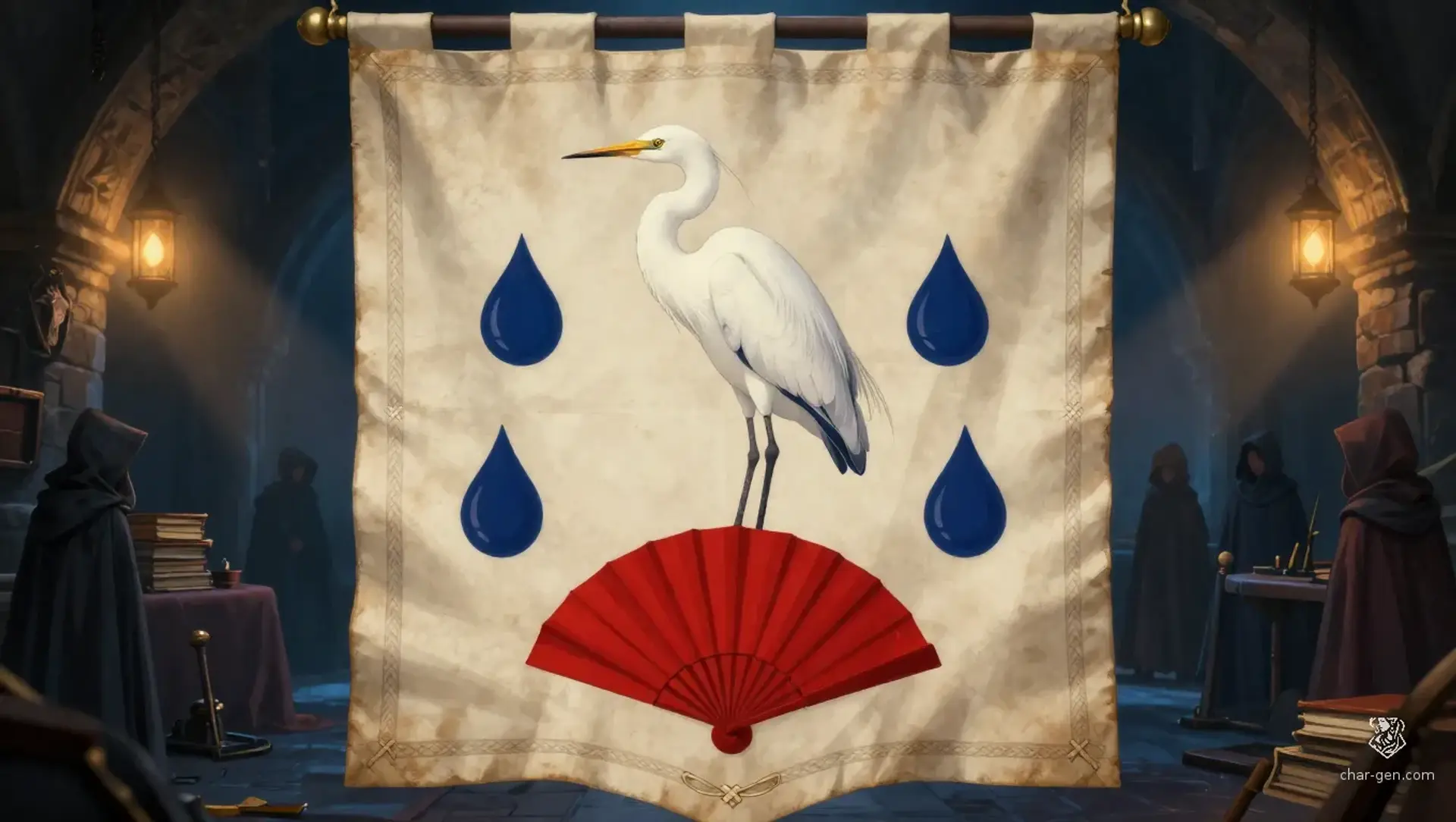
For the first four years, the movement focused on preserving evidence and helping families whose relatives had been imprisoned after the royal disappearance. Its first triumph came when Koto exposed three contradictory versions of the royal family's final departure, forcing the regime to stop claiming that the monarchs had fled willingly. The government responded with mass arrests, creating the watershed moment known as the Red Rain Night. During that night, palace troops fired into a crowd gathered beneath the old aqueduct. The rain washed red dye from rebel banners across the streets, making the movement's emblem visible throughout Kuduzwe. Afterward, the Knot accepted that petitions and evidence alone would not restore lawful government. It developed cells, trained guards, and began sabotaging the regime's machinery of surveillance. Three years later, the movement rescued forty-two political prisoners from a riverside convoy, its greatest public victory. Its greatest setback followed when a forged rebel order led to the burning of a provincial granary, killing civilians and causing several governors to support the regent. Six months ago, the Knot began importing firearms from Oru. The weapons have shifted the balance of power but also created a new danger: a lawful rebellion now possesses the means to become a warlord movement.
Rebel movement · Lawful Good
The Knot
“A law remembered is a law returned.”
Turn The Knot into a sheet
A high-res, share-ready sheet you can post or print.