
DnD Building Generator for Fast GM Prep
Use a dnd building generator to prep temples, guild halls, prisons, and manors fast with CharGen's new workflow for NPCs, hooks, and lore.
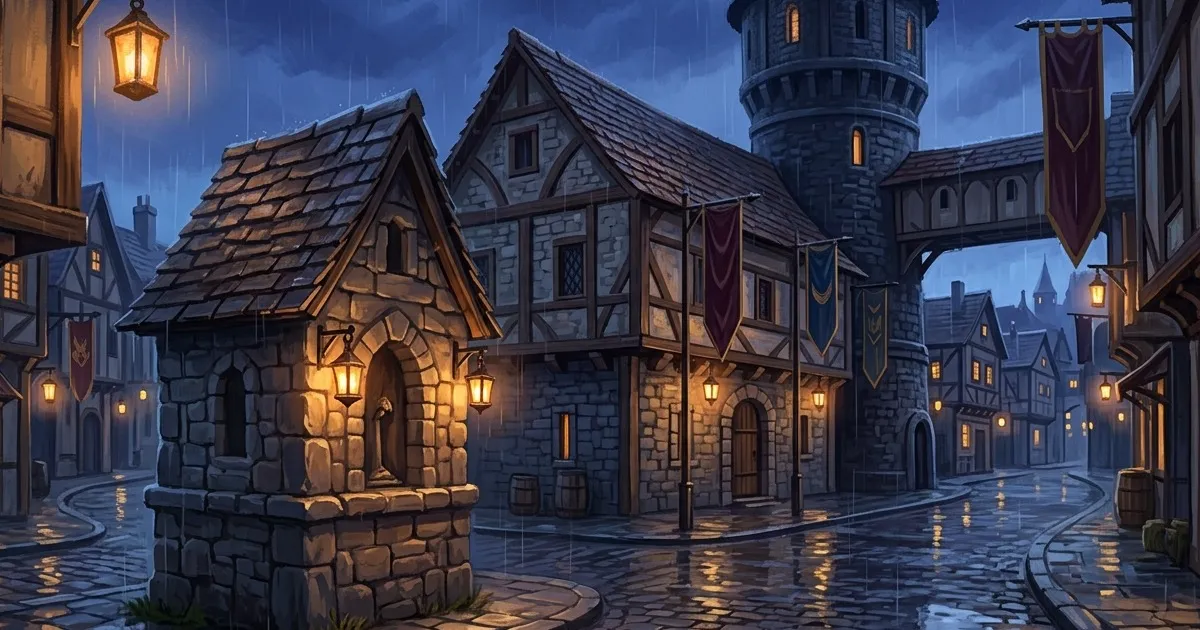
The session goes sideways the moment your players stop caring about the obvious quest marker and decide the old temple is where the real answers are. That is exactly when a dnd building generator stops sounding like a gimmick and starts earning its keep. I do not need a vague paragraph about "a place of worship with ancient vibes". I need a building with a believable history, people inside it, one secret worth chasing, and enough detail that I can run the next hour without pretending I planned it all week.
March 2026 has made that sort of prep pressure more obvious, not less. D&D Beyond's 2026 calendar release points toward a year stuffed with fresh adventure material, horror settings, and faster digital play support. That usually means the same thing at home tables. More side locations. More improvised detours. More moments where the players care deeply about one building you had named "Temple???" in your notes.
That is why the new Building Generator in CharGen immediately stood out to me. It is not trying to replace good GM judgement. It is doing the useful part instead. You pick a Building Type, a Game System, a Party Level, a Condition, and a Size, then you use Extra Details (Optional) to steer the thing toward your campaign. The result is usually close enough to table-ready that I can spend my energy on consequences and player decisions rather than inventing a whole guild hall from scratch.
I also like that this post fills a gap in the current search results. When I checked what ranks for dnd building generator and fantasy building generator, the page is thin. You get generic worldbuilding tools, map toys, and a lot of results that are really about art rather than play. That leaves a wide opening for something more practical.
Why most building prep collapses under real play
The problem is rarely the exterior.
Anybody can say there is a manor on the hill or a prison near the river. What slows a session down is everything attached to that statement. Who runs the place. Why it exists in its current form. Which room matters. What the local rumour gets wrong. Why the players should care beyond "there is a door here".
I have made all the usual mistakes:
- a temple with decent flavour and no live conflict
- a guild hall that looked important but had nobody memorable inside it
- a prison stocked with cells and guards but no reason for the party to come back
- a library that sounded lovely on paper and collapsed the second a wizard asked who catalogues the banned collection
That is the bit many generators miss. They offer architecture when you actually need pressure.
The official D&D Beyond Basic Rules still do the important rules job, but they are not meant to hand you a ready-to-run guild ledger dispute or a compromised shrine cellar. That last stretch is still on the GM, which is exactly where a focused building tool helps.
For session prep, I want a building to do five jobs at once:
| Job | What I need | What weak generators usually give me |
|---|---|---|
| Scene anchor | a place the table can picture quickly | generic stone walls and candles |
| Social engine | staff, rivals, patrons, visitors | empty rooms with lore wallpaper |
| Adventure hook | a problem, secret, debt, or danger | flavour with no consequence |
| Campaign fit | something that belongs in my setting | a building that could exist anywhere |
| Reusability | details I can bring back next session | one-off text that dies after first use |
That is also why I do not treat building prep as separate from the rest of my campaign. A temple needs priests, petitioners, relic politics, and local gossip. A guild hall needs rivals, apprentices, ledgers, and somebody taking bribes badly. A prison needs routines, shortcuts, loyalties, and one person who should absolutely not still be alive in cell seven.
If the output does not create play, it is just decoration.
What I want from a dnd building generator
I want speed, but not random noise.
More specifically, I want a generator that gives me one location I can run tonight, then expand next week if the players latch onto it. That means the first pass has to be specific enough to be useful and loose enough that I can still make it mine.
CharGen's building workflow gets closer to that than the average fantasy worldbuilding tool because it starts with fields that actually matter at the table:
Building Typetells the model what sort of social space this isGame Systemchanges how crunchy details and assumptions feelParty Levelhelps the stakes land in the right bandConditionsignals whether the place is polished, crumbling, occupied, or hiding damageSizedecides whether I am dealing with one notable room or a whole mini-complexExtra Details (Optional)is where I add the campaign-specific mess that makes the result mine
That last field is the one that makes the whole page worth using.
If I type nothing but "Temple / Shrine", I get a respectable shell. If I add "salt-marsh shrine, split clergy, relic theft rumours, one side chapel sealed after a failed exorcism", I get something I can actually play. Same page, very different output.
One honest note though, you still need restraint. If every building gets six secrets, three subplots, and a full family tree for the caretaker, you are just moving your prep problem into a shinier box. I use the tool best when I ask for one strong building and one clear pressure point.
My CharGen workflow for fast building prep
Here is the routine I would use on a weeknight when I have maybe forty minutes and a cup of tea that has already gone cold.
1. Start with the building's social job
I begin with Building Type, not the description field.
That sounds obvious, but it matters because the type tells the generator what sort of relationships should exist around the place. A Temple / Shrine implies clergy, visitors, rites, relics, and doctrinal tension. A Guild Hall implies hierarchy, trade pressure, apprentices, records, dues, and politics. A Prison implies routines, discipline, corruption, desperate favours, and bad timing.
When I am unsure what the players will investigate, I usually choose from three types that naturally create scenes:
Temple / ShrineGuild HallLibrary / Archive
Those three produce social friction almost by default. They also connect well to other CharGen tools later, especially NPC Generator, Faction Generator, and Settlement Generator.
2. Use Condition and Size to control the mood before you write a prompt
Quick prep usually improves here.
If I set Condition to something tidy and Size to something big, I am telling the generator to make the building stable, active, and visible. If I pick a more damaged condition and a tighter footprint, the output tends to sharpen around a few notable rooms and one strong problem.
I do this on purpose depending on the session:
Well-MaintainedplusMediumfor places players should trust at first- worn or compromised conditions for places hiding political cracks
- larger sizes when I expect a proper infiltration or multi-room social scene
- smaller sizes when the building is really a delivery system for one encounter or one revelation
That gives me tone before I have written a single extra word.
3. Treat Extra Details (Optional) as your pressure valve
That field is the difference between "generic fantasy building" and "that place the party still talks about two months later".
I keep my extra details to one sentence or a tight fragment list. Long prompt essays usually make the result softer, not better. I want concrete anchors, not a novella.
Three prompts I would genuinely use:
Marsh temple with a split priesthood, flooded crypt access, local fisherfolk depend on blessings for safe tidesStonemasons guild hall, respectable front, secret debt to smugglers, apprentice strike brewing downstairsBorder prison built into an old watchtower, overcrowded, one famous prisoner is rumoured dead but still receiving food
Those work because each one contains a location, a pressure point, and at least one obvious scene.
4. Generate one building, then stop and interrogate it
Once the output lands, I do not immediately accept every flourish.
I ask four blunt questions:
- what is the players' reason to enter
- who is the most useful NPC here
- what is the secret that creates motion
- what detail will the table remember
If I cannot answer those quickly, I edit or regenerate.
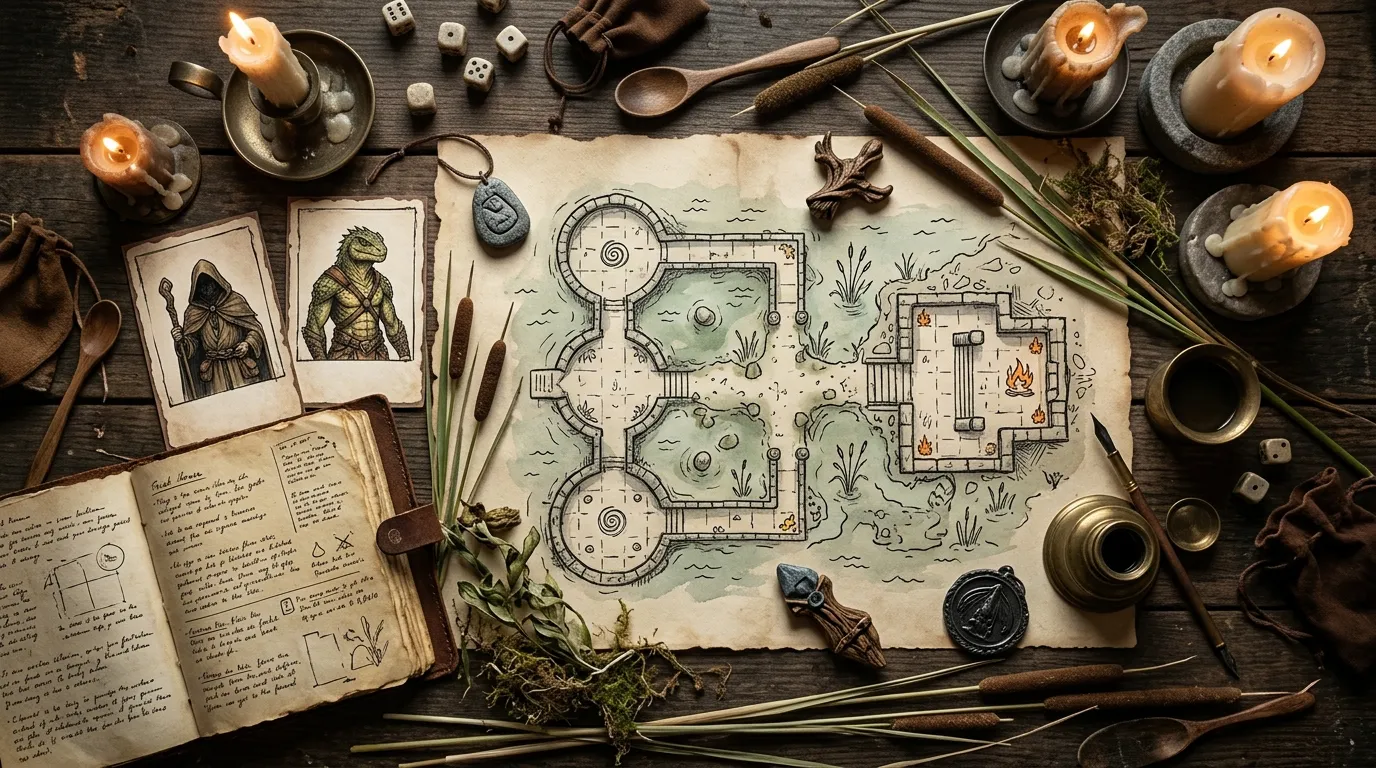
Concrete example. I tested a marsh shrine build last night using a temple setup with a middling party level and a damaged condition. The best part was not the relic chamber. It was a conflicted sub-priest who kept the outer hall open for fishermen after curfew because he thought the official doctrine was cruel. That one choice gave me a social scene, a faction split, and a reason the party might return later. The sealed crypt was nice. The priest was the campaign glue.
Second example. I ran a guild hall concept with a labour dispute in the extra details. The result gave me an ageing guildmaster, two aggressive foremen, and a records room where loan agreements had been tampered with. I threw away half the decorative history and kept the forged ledgers. That was the bit players could actually act on.
Three building setups I would use tonight
Theory is fine. Specifics are better.
Here are three setups I would happily feed into the page right now.
The tide-scarred temple
Use when:
- you need a morally messy sacred space
- the party is dealing with fishing villages, storms, river travel, or sea cult rumours
- you want one building that can support investigation and combat later
My setup:
Try the Free Building GeneratorBuilding Type:Temple / ShrineGame System:D&D 5EParty Level:5Condition: damaged or strainedSize:MediumExtra Details (Optional):marsh shrine to a storm saint, flood damage in lower halls, relic theft rumour, one priest covers for local smugglers
What I am hoping to get:
- one strong public chamber
- one hidden or restricted area
- a priest with divided loyalties
- a reason the locals keep protecting the place
Why I like this setup, it gives the players several ways in. They can investigate the theft, exploit the smuggling angle, protect the shrine, or simply treat it as a weird moral knot instead of a dungeon.
The guild hall with the polite rot
Use when:
- the campaign is in a city
- you want class tension without writing a manifesto into your prep notes
- the party needs a favour, permit, job, or witness
My setup:
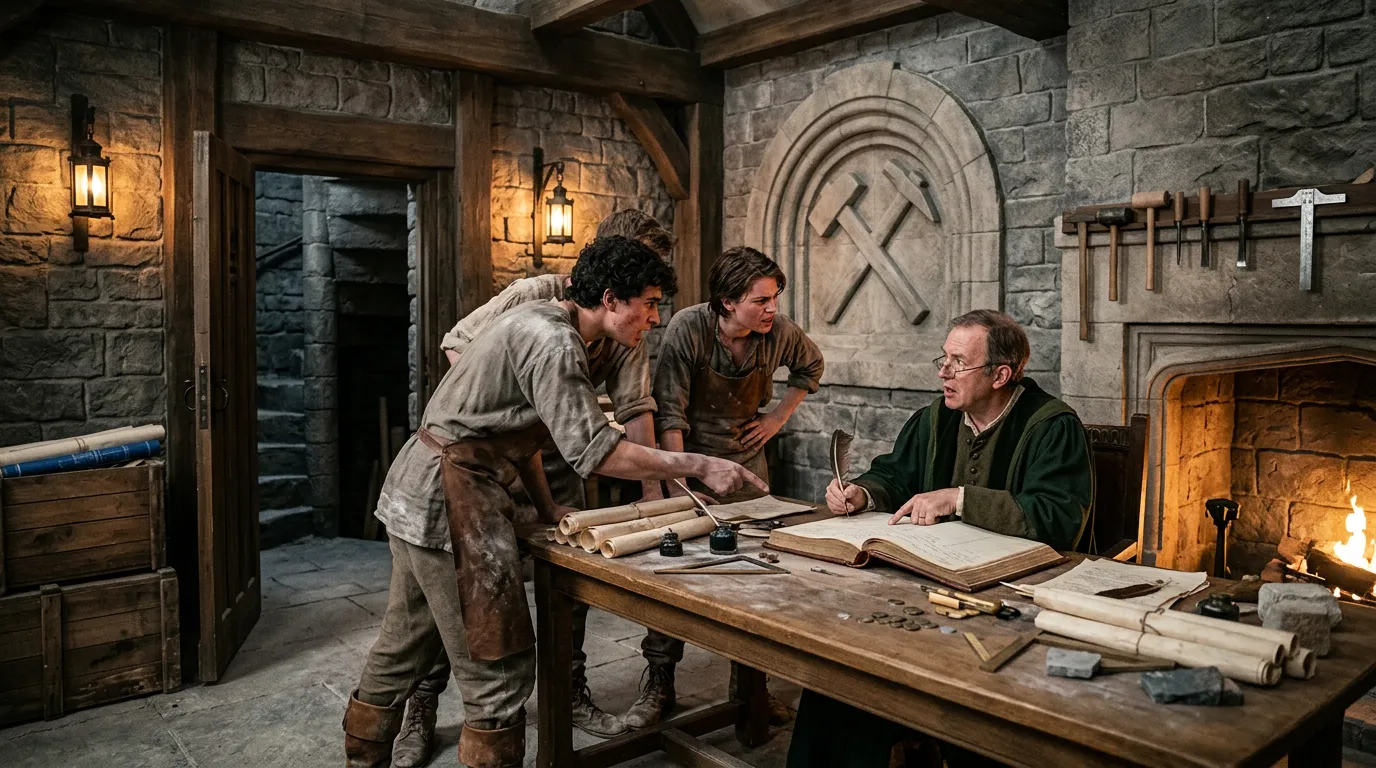
Building Type:Guild HallGame System:D&D 5EParty Level:6Condition:Well-MaintainedSize:LargeExtra Details (Optional):stonemasons guild with a respectable facade, ledger fraud in the basement, apprentice strike building, rival merchants pushing for a takeover
That combination usually gives me social texture immediately. A polished exterior with internal rot is a gift for play. Players see the confidence first, then the cracks.
One small trick here, I nearly always tie a guild building to a named faction straight after generation. If you want that broader organisational layer, the Faction Generator makes the whole place feel less isolated.
The border prison that should not be full
Use when:
- you need a rescue, a transfer, an interrogation, or a political embarrassment
- you want urgency instead of leisurely exploration
- the party has enemies who prefer bureaucracy to swords
My setup:
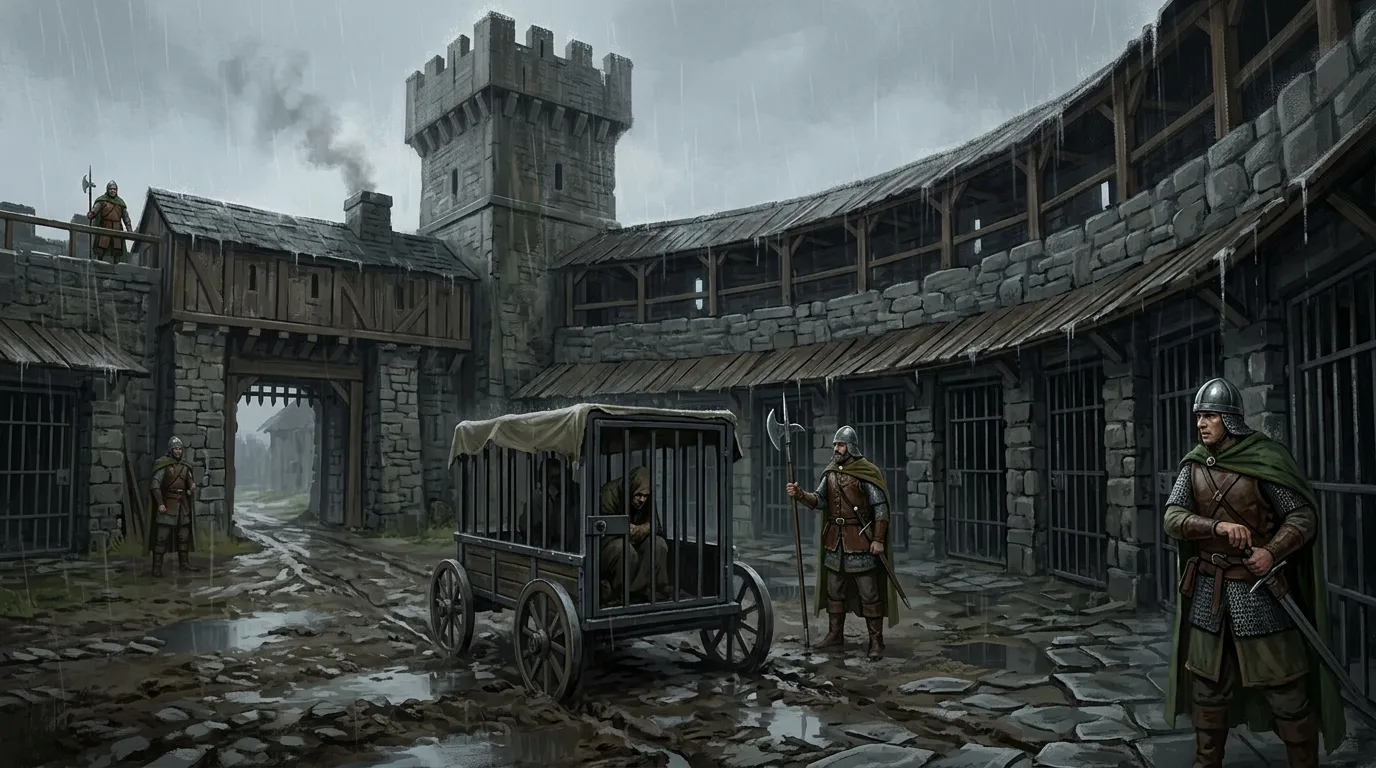
Building Type:PrisonGame System:D&D 5EParty Level:7Condition: overused or poorly maintainedSize:MediumExtra Details (Optional):watchtower prison on a wet frontier road, too many inmates, guards unpaid for weeks, one dead prisoner still appears on food tallies
That sort of prompt gives you motion straight away. Somebody is covering something up. The routines are fraying. The building wants to break before the party even touches it.
Turn one building into a whole district without wasting your evening
At this point the building generator becomes more than a novelty.
I do not usually stop at the building. I use it as the anchor for a small chain.
If the players get interested, I extend outward in this order:
- building
- named NPCs
- faction or ownership
- surrounding settlement context
- post-session memory
That stack matters because it stops me from inventing disconnected lore blobs.
A simple example:
- generate a temple
- spin up two clergy and one lay caretaker in NPC Generator
- create the owning order or rival sect in Faction Generator
- place the building in a district using Settlement Generator
- after play, log what changed in RPG Session Notes
That entire chain is cleaner than juggling a note app, a map app, a random name site, and a separate prompt doc.
It also keeps continuity tighter. If the players burn down the outer shrine storehouse, I want that to matter next session. If the guild clerk loses face publicly, I want the faction response to change. If the prison riot frees the wrong person, I want that recorded before I forget it.
If you want an older companion read for the wider worldbuilding layer, my post on building settlements fast with CharGen's region workflow pairs well with this. For cast-building, my earlier piece on quick NPC creation is still the fastest way to turn a location into a social scene.
My 40-minute building prep loop
Here is the exact cap I would put on myself before a session.
| Block | Time | What I do |
|---|---|---|
| Building pass | 10 minutes | choose type, system, level, condition, size, then write one sharp extra-details prompt |
| Trim pass | 8 minutes | keep the best NPC, best secret, best memorable visual, cut the fluff |
| Support cast | 9 minutes | generate two to three linked NPCs and one faction only if the building needs them |
| Placement | 7 minutes | decide where the building sits in the district and what the neighbours think of it |
| Aftercare | 6 minutes | note filenames, export anything needed, and leave a recap hook for after the session |
That cap is not about discipline for its own sake. It is about protecting the part of prep that still needs your brain. Once the building works, stop polishing and decide what the place means in the campaign.
Where I would not use a building generator
I would not use it for every cottage, shed, and harmless bookshop.
The tool shines when a location needs consequence. If the party only needs a quick backdrop for five minutes of shopping, I will improvise. If the building is likely to return, hide a secret, anchor a faction, or trigger a moral choice, that is when I reach for CharGen.
I also would not let the output boss me around.
Sometimes the generator produces a very juicy side thread that does not belong in my current arc. Fine. I save the idea and move on. Good prep is not about keeping every interesting scrap. It is about keeping the ones that serve tonight's game.
One more honest limit, buildings can become too ornate if you keep regenerating for prettiness rather than play value. The best results I got for this article were not the most baroque ones. They were the ones where I could tell, in about ten seconds, why the players would push on the front door.
FAQ
Is CharGen's building generator free to use?
Yes. You can use the Building Generator after a quick sign-up, and the premium tier is where editing and export options become more useful.
What is the best building type to start with?
I would start with Temple / Shrine or Guild Hall. Both create instant social tension and give the generator enough structure to produce usable hooks.
Can I use the output outside D&D 5E?
Yes. The Game System field means the building can lean toward different rules assumptions, and the story side of the output adapts well even if you are running another fantasy system.
How many details should I put in Extra Details (Optional)?
Keep it short. One sentence or a compact list is usually enough. I get better results from flooded crypt, relic theft, divided clergy than from a giant paragraph.
Does this replace mapmaking?
Not really. It is better for playable location content than literal floor plans. I use it to decide what matters inside the building, then I only map the parts the session actually needs.
The main reason I expect this tool to stick in my own workflow is simple. It solves a very real GM problem without asking me to hand over the fun part. I still decide who the villain is, which lie matters, and whether the guild strike turns bloody. CharGen just gets me to a strong starting point much faster.
If you want to test it properly, do not start with a grand capital city. Start with one building that needs to carry tonight's session. Pick a temple, guild hall, or prison, add one pressure point in Extra Details (Optional), then build outward only if the players care. That is enough to tell whether the tool is saving you time or giving you prettier ways to overprepare.
If you want the shortest route, open CharGen sign-up, head to the Building Generator, and make the first place your players are likely to ruin.
Generate a Building Free
Image credits:
- Images for this post were generated for the CharGen blog with WaveSpeed Google Nano Banana 2 using original prompts written for this article. Batch generation stalled, so the final assets were created with sequential individual generations.