Medium or Small, chosen when you select this species
Common
Humanoid
Humanoid·Medium or Small, chosen when you select this species
The Concordant
Homo concordis
Speed
30 ft.
Lifespan
Most reach adulthood around 18 years and live 70 to 95 years. Exceptional elders may remain vigorous beyond a century, though such longevity is uncommon and often attributed to unusual discipline, blessing, or luck.
Habitat
River valleys, wooded savannas, fertile highlands, coastal plains, and old trade roads where households can maintain gardens, workshops, and strong ties with neighboring settlements.
human-based
adaptable
communal
memory-keeper
storyteller
homebuilder
SizeMedium or Small, chosen when you select this species
Speed30 ft.
LifespanMost reach adulthood around 18 years and live 70 to 95 years. Exceptional elders may remain vigorous beyond a century, though such longevity is uncommon and often attributed to unusual discipline, blessing, or luck.
Creature TypeHumanoid
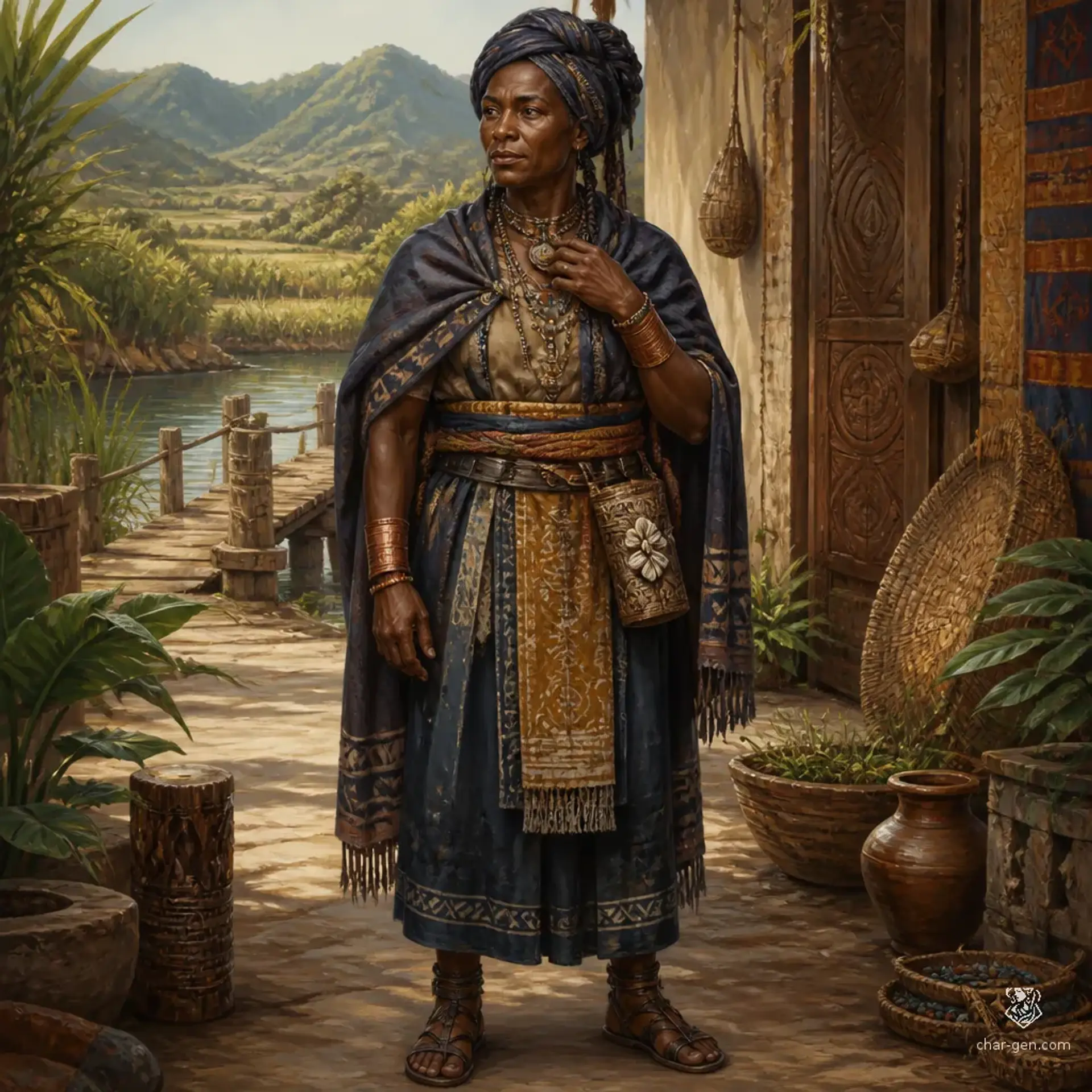
The Concordant are human in body but extraordinary in the way they make memory a living bond. They carry their ancestors in names, songs, gestures, recipes, tools, and promises, yet they are not prisoners of the past. A Concordant adventurer leaves home not because they lack roots, but because roots give them the courage to travel. They are builders of households wherever they go, quick to offer food, wary of easy promises, and fiercely determined that no worthy life should vanish without a trace.
Physical Description
The Concordant are a broad and varied human ancestry, with every range of complexion, build, hair texture, and facial structure found among them. Their common features are not a single appearance but a recognizable expressiveness: alert eyes, mobile faces, and a habit of physical emphasis when speaking. Hair may be worn in coils, braids, wraps, shaved patterns, loose curls, or practical cuts suited to local custom. Clothing favors durable layered fabrics, woven bands, beadwork, hammered metal, dyed leather, and objects that carry personal or family meaning. Many wear a small token of belonging, such as a cord, ring, shell, carved bead, or painted mark.
Society & Culture
Concordant society is organized around households, age-groups, guilds, traveling associations, and circles of mutual obligation rather than a single universal hierarchy. A household may include blood relatives, fostered children, honored friends, apprentices, widows, sworn companions, and those adopted after surviving hardship together. Elders preserve precedent, but young people are expected to challenge traditions that no longer protect the living. Music, storytelling, dance, textile design, metalwork, cooking, and architecture are all respected methods of recording knowledge. Disputes are often settled through mediation, public testimony, compensation, and ritual reconciliation, though feuds still occur when pride outruns wisdom.
Religion & Alignment
Their religious lives are diverse. Some honor named gods of river, storm, craft, justice, fertility, death, or scholarship. Others revere a single creator understood through many faces, while some practice household remembrance without formal worship. Offerings are commonly made through food, music, clean water, acts of repair, and the keeping of promises. Concordant ethics favor compassion, responsibility, and practical justice, but individuals may be lawful, chaotic, good, neutral, or evil. A cruel person can invoke tradition, and a rebel can be its truest guardian.
Homelands & Architecture
Their settlements favor shaded courtyards, raised walkways, broad porches, and communal halls designed for conversation as much as ceremony. Homes often contain a visible place for family objects, memorial vessels, or woven records. In flood-prone regions, foundations are built high and connected by bridges. In dry country, homes gather around cisterns and planted courtyards. Beauty is considered a practical virtue: patterned walls, carved doorposts, painted shutters, and carefully maintained paths all signal that a place is cared for.
Relationships With Other Peoples
The Concordant tend to treat ancestry as a source of responsibility rather than superiority. They trade freely, intermarry readily, and adopt outsiders into households through formal or informal bonds. Their hospitality can be disarming, but it is not naive. Guests are expected to respect the household, and those who abuse welcome may find that news of their behavior travels quickly. Concordant communities often maintain strong relationships with neighboring peoples while resisting rulers who attempt to reduce them to a single political identity.
Visual sheet
Turn The Concordant into a sheet
A high-res, share-ready sheet you can post or print.