
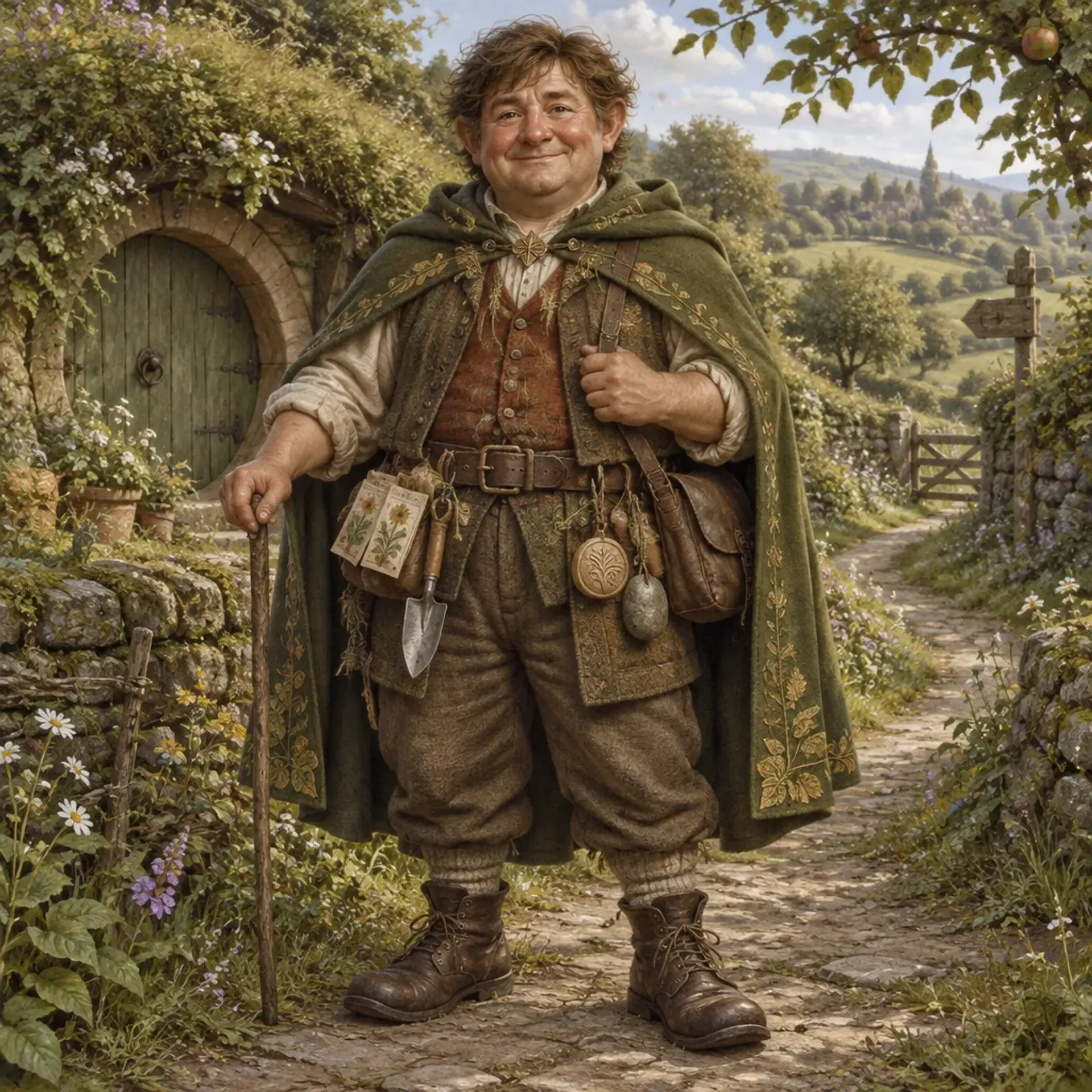
Hominulus dumetorum
At a glance
Languages Common, One other language of your choice, reflecting your community or travels
Height 2 ft. 10 in. to 3 ft. 6 in.
Weight 35 to 55 lb.
Lifespan 120 to 150 years
At the table
Your size is Small, and your walking speed is 30 feet.
When you roll a 1 on the d20 for a D20 Test, you can reroll the die, and you must use the new roll. Once you use this trait, you cannot use it again until you finish a Long Rest.
You have Advantage on saving throws you make to avoid or end the Frightened condition.
You can move through the space of any creature that is of a size larger than yours, but you cannot end your movement there.
Bramblekin often cultivate patience, practical judgment, and a sturdy constitution. They may tend toward Constitution and Wisdom, but players assign any ability score increases according to the 2024 rules.
A calm presence and an exceptional knack for reading the moods of people nearby.
Hearthroot Bramblekin are most associated with established villages, communal kitchens, and the care of neighbors. They tend to build strong networks of hospitality and practical support.
Bramblekin are small folk of hedgerow lanes, orchard paths, and welcoming hearths, known for steady courage, sharp practical sense, and an instinct for finding shelter where others see only a thicket. Their communities prize good meals, dependable neighbors, and the sort of quiet bravery that keeps a promise when the road turns dangerous. Brambleroot “Bramble” Thornmantle might carry that rooted warmth into the wide world, bringing home a story, a friend, or a reason to build a better refuge.
Bramblekin are small, broad-bodied humanoids with rounded faces, expressive brows, and feet built for quiet, comfortable travel.
Their hair ranges through earth tones and occasional russet or leaf-green hues, while their skin varies widely across humanlike shades. Thick hair on the instep is common, though not universal. Their clothes favor durable fabrics, layered pockets, sturdy boots, and personal adornments made from wood, seed, or polished stone. Despite their name, Bramblekin have no thorns or plantlike anatomy.
Hedgerows, meadowlands, orchard country, forest margins, and settled river valleys; many also make homes in city districts where gardens and courtyards provide a touch of green.
Small and closely watched by their kin, children learn the names of plants, paths, and neighbors before they travel far alone.
Young adults commonly leave home to apprentice, trade, explore, or test the old stories against the wider world.
Most Bramblekin are considered adults by their early twenties, though many take longer to choose a craft or settle into a household.
Elders are valued as keepers of local memory and are often consulted over disputes, planting seasons, and dangerous roads.
Most Bramblekin communities are organized around households, craft partnerships, and informal networks of mutual aid.
They value good food, careful work, and knowing who needs help before being asked. Hospitality is a cherished custom, not an unbreakable law, and local traditions vary widely. Bramblekin may be homebodies, restless merchants, scholars, wanderers, or anything between; those who leave home often retain a fondness for familiar comforts without mistaking comfort for safety.
Bramblekin practice varied faiths, often honoring household guardians, local spirits, agricultural cycles, or the gods of their neighbors.
Many communities mark seasonal changes with shared meals and remembrance rites. Their customs often encourage generosity and mutual care, but Bramblekin span every alignment and may challenge the expectations of their upbringing.
Bramblekin are often welcomed as attentive hosts, reliable companions, and perceptive guides.
Their understated manner can lead larger folk to underestimate them, a mistake Bramblekin may answer with humor or a carefully chosen act of courage. They tend to build relationships through repeated kindness rather than grand declarations, though no two individuals respond to outsiders in exactly the same way.
Traditional Bramblekin homes are built into gentle hillsides or tucked behind living hedges.
Their low doors open into snug rooms with broad hearths, deep shelves, and well-used kitchens. In towns, they favor shared courtyards, rooftop gardens, and modest homes whose doors are easy to miss from the street.
No images yet.
A high-res, share-ready sheet you can post or print.