Jor Heimskrsson
Jor Heimskrsson
At the table
Voice
His voice sounds as if it has spent too long in cold air: a dry, salt-rough rasp with a faint wet catch at the back of the throat. His seafaring upbringing gives his Norse consonants a clipped, carrying edge, while Troll speech brings out a low, rolling rumble. He can speak loudly when challenged; anger often makes his voice rougher and more animal than quiet.
Jor speaks fluent Norse and Troll. He talks as though he assumes listeners understand him until their confusion becomes undeniable, then covers a Troll phrase with an approximate Norse explanation. His speech is direct and occasionally formal, with sudden rough growls on certain sounds. He avoids detailed accounts of the wreck and gives short, rehearsed answers about his survival.
Speech patterns
How to play them
Treat Jor as a returned son first, not as a monster to be unmasked. Earn trust with practical help and patient questions rather than pressing him to recount the wreck. Notice his inconsistencies: the nocturnal swimming, his fear of iron, his difficulty remembering family, and his fluent Troll. He may cooperate with kind strangers while quietly assessing whether they threaten the trolls or his family. Peer Ludvik's presence can stir recognition and confusion. If confronted with the letter, Jor may deny nothing clearly; his memories are too fractured for a clean confession.
Goal
Reclaim a place in his family and join the guard without exposing his sea-troll nature or the instructions his captors planted in him.
Motivation
Jor wants to believe that survival means he has been given a second chance. He wants a useful place beside his brothers, a life beyond succession politics, and proof that he can still choose what kind of man he becomes. At the same time, the trolls have reshaped his memories so their grievance feels personal and their instructions sometimes feel reasonable. He is motivated by home, but cannot yet trust what home means to him.
Appearance
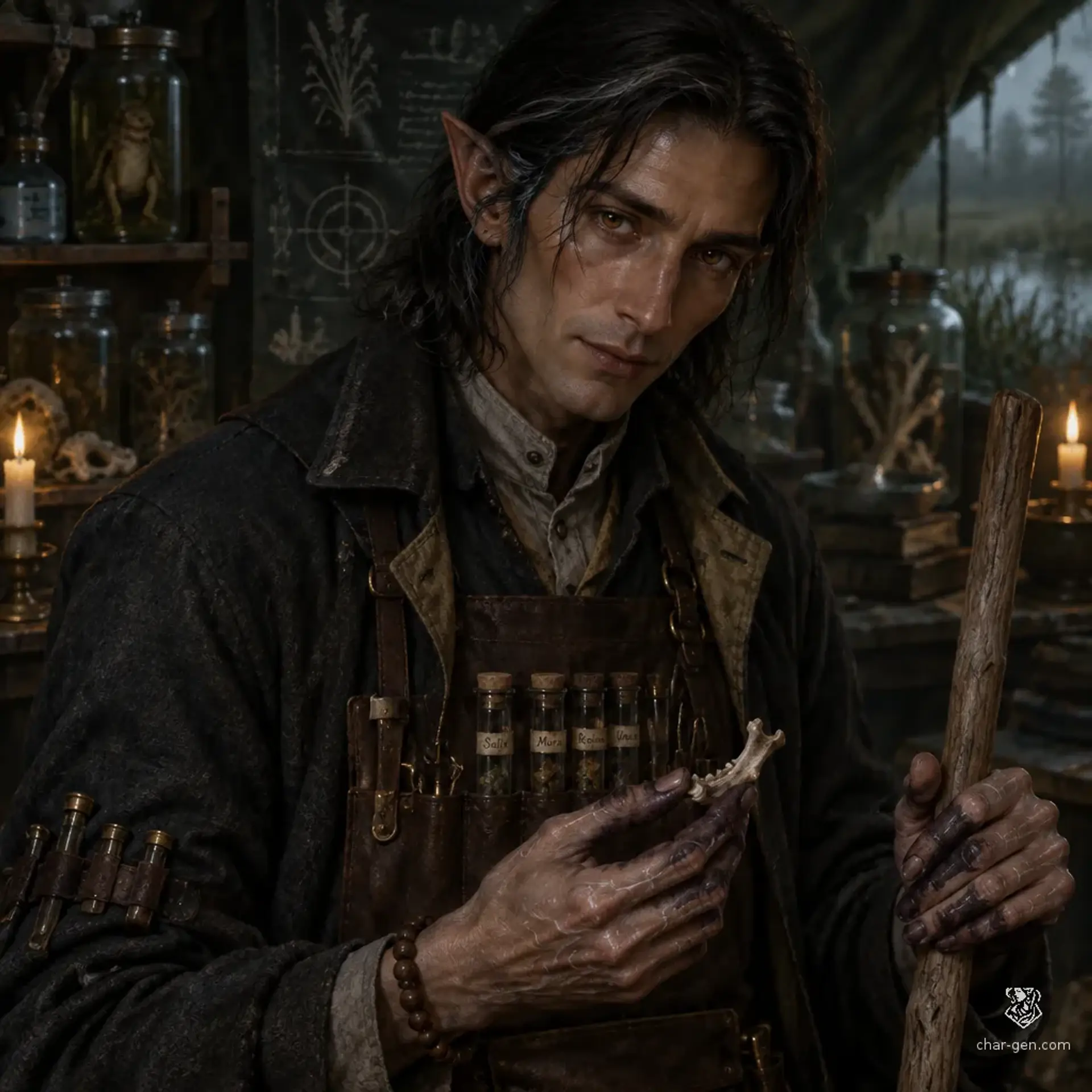
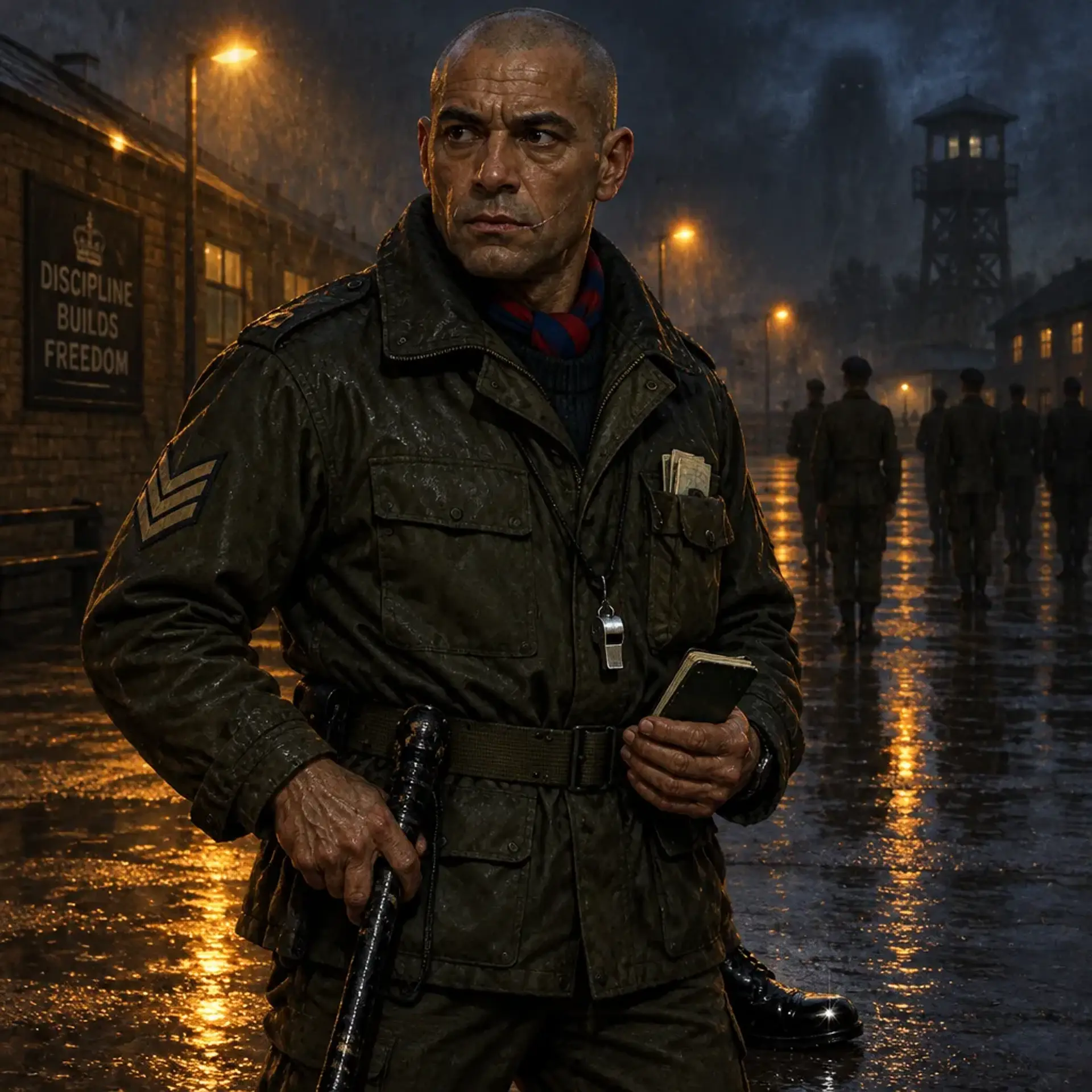
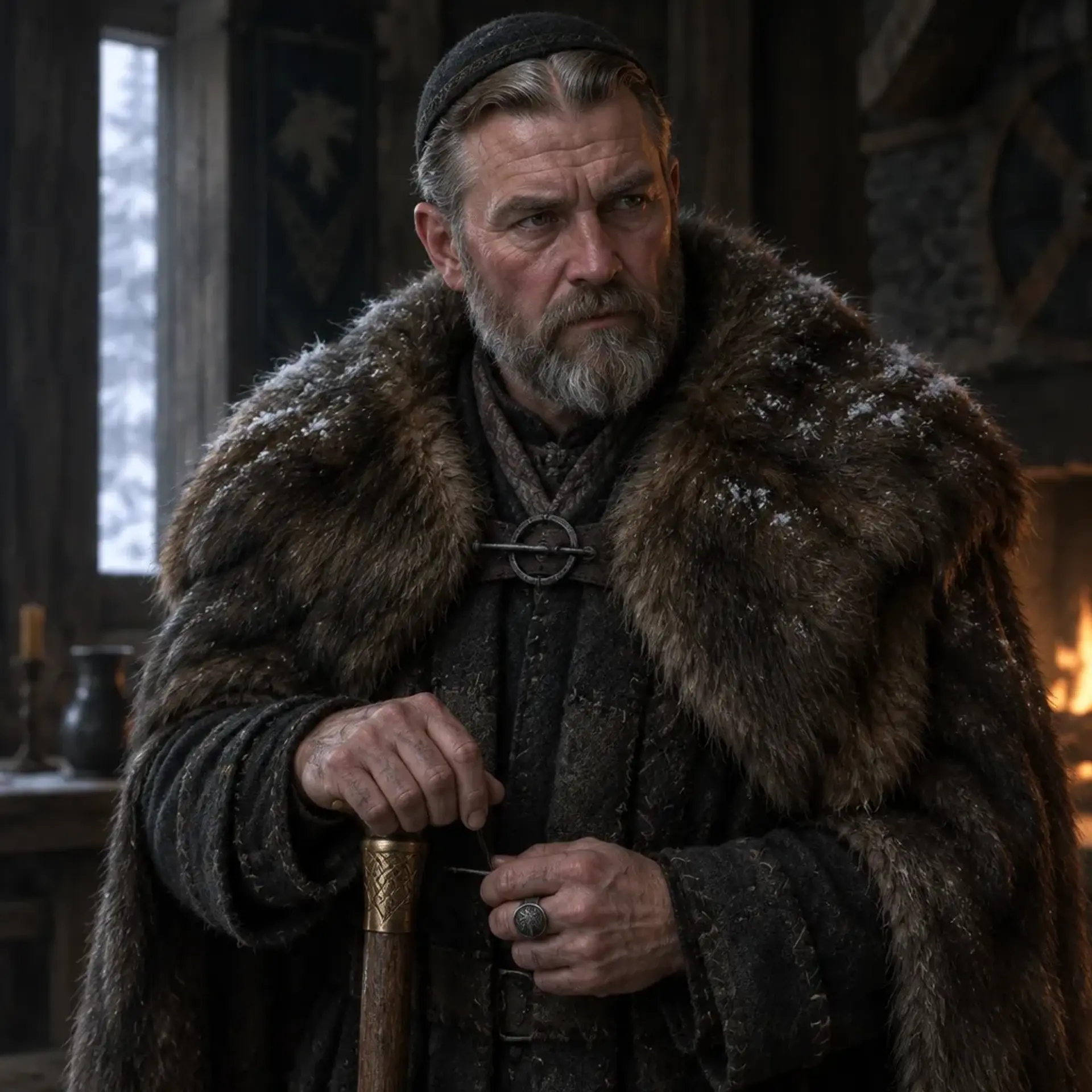
Jor looks, at first glance, like a nobleman's son returned from a hard voyage: handsome in a weathered way, upright, and carefully groomed. His once fine blond hair is now pale as washed flax, cut close because it grows with unnerving speed. His blue eyes have taken on a subtle purplish cast, like squid ink diluted in seawater. His skin appears human beneath trollcraft, though it keeps a faint slick sheen in damp air. His throat bears the shallow, delicate ridges of gills, usually hidden; his teeth are a little too sharp, and his fingers and toes are webbed. He is growing taller and broader, now just over six feet, and explains the change as lingering growth pains. He stands very still, feet planted as if feeling the pull of a tide through the floor. While waiting, he leaves more space around himself than a nobleman ought to, and turns his shoulder toward nearby iron. He smells faintly of cold salt water and kelp, even after a bath.
Clothing
Initially, ragged noble Norse clothes and a salt-heavy fur cloak from the wreck. Once his mother has him bathed and dressed, he wears clean, well-cut household garments in muted wool and linen, with a better-kept fur cloak. He favors loose collars and sleeves that conceal his altered skin.
Body language
He holds himself with an inherited noble straightness, but his weight rests on the balls of his feet as if ready to slip into water. He gives people a careful berth, favors his shoulder away from iron, and looks at a speaker's throat when trying to recognize them. Under stress, his jaw locks and his breathing becomes almost imperceptible.
- Height
- 6 feet 1 inch and still growing
- Build
- Still growing, lean and increasingly broad through the shoulders, with a rangy swimmer's strength
- Eyes
- Blue with a subtle squid-ink purple cast
- Hair
- Pale blond, nearly white, growing rapidly
- Skin
- Pale, sea-cooled human-looking skin with a concealed slick sheen and faint scale texture
- Age
- Young adult, approximately 19
- Gender
- Male
- Size
- Medium
Distinguishing features
Personality
20 traits and drivesJor is caught between the young man he remembers being and the stranger who has returned wearing his face. Before the wreck, he was excitable, quick to take offense, and eager to settle a slight with his fists. He wanted to serve the guard because a uniform, a duty, and a clear enemy appealed to him more than the creeping ambiguity of his family's succession crisis. He could be warm and generous when he liked someone, but he often disguised affection as teasing or a challenge. He remains convinced that he is tough and mean, and will sometimes talk as if he can still intimidate a room. The effect is unsettled: his words promise a brawl, while his expression stays as flat and calm as a fjord before dawn. He now tries to perform his former self, but the effort makes him stiff. He remembers that he used to laugh loudly, yet often waits a beat too long before laughing at a joke. He remembers that he fought, but has become wary of iron and reluctant to put his hands on a weapon. He remembers wanting the guard, but does not remember all the reasons he once gave. When challenged, he may start a sentence with the old hotheaded certainty and finish it with a careful, measured observation that sounds nothing like him. People who knew him well may see this as discipline or trauma. It is both, and also something imposed by captivity. His calm is not the same as peace. Jor has learned to hide reactions because obvious fear made him easier to handle among the trolls. He watches faces without seeming to stare, tracks exits, and keeps his posture controlled. In a crowded hall he leaves a gap around himself, unconsciously preserving a route toward water or open air. When he is comfortable, he stands closer, lets his shoulders loosen, and makes a dry joke. But when sunlight is strong, iron is near, or someone touches his neck, his composure can fracture. He may flinch, bare his teeth, or turn abruptly hostile before he understands what provoked him. He is ashamed afterward and tries to explain the reaction away as fatigue. Jor's noble upbringing persists in small, stubborn ways. He notices who is served first, who interrupts whom, and which guest is being carefully ignored. He can be courteous without being gentle. With servants and ordinary townsfolk he tends to use direct, practical language, but around his family he sometimes falls into the formal behavior of a younger son who is unsure whether he is welcome. He can show tenderness through useful work: carrying a crate for Torvald, checking a door latch, or leaving warm water ready for Svanhild. He seldom says that he missed anyone. Even when moved, he is more likely to offer to repair something than to embrace the person who needs comfort. He is curious in an almost clinical fashion. He studies a person’s habits and asks questions that sound incidental: which side they favor when carrying a weapon, what name they use for a certain tool, whether they lock a door at night. This habit comes from spy training, but it also helps compensate for missing memories. He watches his family to rebuild them from present behavior. He knows his mother belongs to him because he can identify her voice and the arrangement of her room, but the emotional history sometimes arrives only after she has already spoken. This makes him seem dispassionate about matters that should break his heart. In private, he sometimes repeats a relative’s name until the sound begins to feel familiar again. His loyalties are sincere but unstable. Jor cares for his family, yet the trolls have altered his recollection of their actions and made their own anger feel understandable. He may defend the trolls in a conversation, then become furious if someone suggests he is one of them. He may promise to help his family while privately wondering whether the town deserved its punishment. These conflicts do not make him a calculating villain. They make him vulnerable to whoever can offer the clearest story about what happened. He dislikes being told what to think, but his captors have taught him to accept certain conclusions as his own. His appetites have changed, too. Jor is hungry more often than he admits, and the smell of blood can pull his attention away from a conversation. He tries to eat ordinary meals in company, partly to reassure his mother and partly to persuade himself that he is unchanged. He prefers warm baths because heat soothes the tightness around his gills, though he tells people it is simply the comfort of a survivor. He is nocturnal now, alert and restless after sundown, while hard daylight makes him wince and tire quickly. Rather than describe these as needs, he presents them as habits he can stop whenever he chooses. Jor's humor has not vanished. It has become dry, abrupt, and sometimes startlingly literal. He can be witty when another person is nervous, because teasing gives him a familiar way to control the distance between them. He may call himself mean when he is trying to be reassuring, or threaten a fight to cover the fact that he is frightened. When he truly trusts someone, his old eagerness peeks through: he speaks faster, accepts a contest, and becomes openly pleased by a small victory. Those moments are precious to him because they feel spontaneous rather than practiced. When angry, Jor does not reliably become quieter or more polite. He may speak plainly and loudly, voice roughening into a throat-deep growl, and crowd someone as if daring them to prove he is weak. At other times anger makes him unnaturally still. The difference depends on whether the anger feels like an old insult or a threat to his secret. A simple challenge can provoke a hot response; a question about his gills or the wreck can freeze him. Fear often appears as irritation because he cannot bear to be pitied. Shame makes him work harder, not apologize more. He is not naturally cruel, but he can be frighteningly practical. If someone threatens his family, he may consider violence before he considers negotiation. If he thinks a stranger is spying, he may test them with a lie or a harmless-seeming question. He has been taught to gather information, and he sometimes does so without deciding to. He also has a private tenderness toward the sea. At night, alone in the water, he stops performing either the noble survivor or the troll-trained agent. He swims until his muscles tire and the remembered pressure of the deep seems more honest than the words people use on land. Jor wants to recover his old self, but he has begun to suspect that there may be no intact version waiting to be found. He fears the possibility that the changed parts are not merely a disguise, and he also fears that returning to who he was would mean returning to the anger and narrow expectations that drove him away. His central contradiction is that he wants to be recognized as the same Jor while secretly hoping he can become someone new. He wants his family to trust him, yet he withholds the facts that would let them judge him clearly. He wants to serve the guard, but has not learned whether he can bear iron or obey a human command when the trolls' altered sympathies pull in another direction. He is trying, often clumsily, to choose one action at a time before someone else chooses his future for him.
- Alignment
- Neutral, pulled between old loyalties and troll-altered sympathies
Quirks
Habits
Traits · 5
Flaws · 5
Fears · 5
Wants and needs · 5
Combat
AC 12 · HP 13 · 30 ft., swim 30 ft. (custom sea-troll trait)Jor avoids a stand-up fight and tries to escape, disarm, or use the environment. He prefers bare hands to iron weapons, and fights more confidently in water or darkness. If cornered, he uses his strength, then may bite if panic overrides his fear of being exposed. He is not a trained soldier and should not be played as one.
Jor Heimskrsson
Actions
Reactions
Services they sell
Rewards they can give
Equipment
- Fur cloak (clothing)A neatly kept fur cloak, initially battered by salt and weather, later repaired by the household.
- Norse noble garments (clothing)Clean noble household clothes that conceal his changing body without looking suspicious.
- Belt knife (weapon)A small utility knife he handles cautiously because its iron content troubles him.
- Comb (personal item)A plain wooden comb, used repeatedly to keep his fast-growing hair controlled.
Possessions
Background
Jor Heimskrsson was the fifth son of Jarl Heimskr, born into a household where affection and succession were tangled together. He was not first in line, and everyone knew it. His older brothers had already begun to occupy the useful places around their father: Torvald at the harbor, Benji in the household, Gorm among the Jomsvikings, and Mikkel on the trails as a ranger and hunter. Olaf, their cousin, had been chosen as heir and law speaker. Jor grew up surrounded by capable men whose roles seemed to have been settled before he had learned what he wanted. He was excitable, proud, and willing to turn a sharp word into a brawl. His greatest ambition was comparatively modest: he wanted to serve the guard, earn a name that belonged to him, and prove he was more than another son at the high table. Then the town entered a succession crisis. Jor heard the arguments, the old oaths invoked and disputed, and saw how quickly a household could become a political instrument. The idea of staying to be counted, traded, or made a symbol began to disgust him. A voyage north toward Iceland offered a way out. He imagined gaining land and wealth by his own effort, and returning with a reputation no one could dismiss as inherited. The ship never reached its destination. It was wrecked in northern waters, and Jor disappeared among the waves. The family presumed him dead. The wreck was no accident in the ordinary sense: trolls had taken him as punishment against the town for exiling Peer Ludvik, a folk hero and thane, after discovering that Peer was a troll changeling. The trolls considered the exile and the jarl's broken family oath an offense that demanded an answer. Jor was kept alive in the North Sea, captive in a world of drowned caverns, black water, and rules he did not understand. At first he fought every restraint and treated every captor as an enemy. The trolls did not merely imprison him. They trained him to pass among humans, to observe, to remember habits, and to carry information without looking like a spy. Their magic remade him gradually into a sea-troll changeling. Gills grew beneath his jaw; webbing joined his fingers and toes; scales and sharp teeth appeared. His hair paled and began growing faster. His body learned the sea as a home rather than a grave. Trollcraft taught him to hide these changes beneath a human appearance, and to make small practical uses of magic seem like luck or ordinary skill. The transformation took more than flesh. Jor's captors altered his memories and sympathies, encouraging him to see their grievances as understandable and the town's conduct as cruel. He still knows his own name, and still prefers it to the troll name he has been taught to recognize. But faces from home have become uncertain. He remembers the house and the route to his room more readily than the people who raised him. That is the wound he cannot explain without admitting how much of him has been taken. He is not simply pretending to be a troll spy, nor is he wholly persuaded by their cause. He has become a person with memories that do not fit together cleanly. He returned to the fjord settlement as a miracle survivor of the wreck. When first found, he was still wearing the ragged, salt-logged noble clothes he had worn when lost at sea. His wet hair clung pale to his forehead, his hands were webbed, and the delicate new gills at his neck were dangerously easy to notice. He slipped into Troll when he believed no one understood him, then covered the words with Norse. He still said his name clearly. His calmness frightened those who remembered the boy who once brawled at the least provocation. He winced in sunlight, and his voice sometimes dropped into a low growl without warning. Svanhild, his mother, made his room ready at Heimskr's request and was glad to have him alive. Jor recognizes his home, but not always his family; the mismatch leaves him grateful and ashamed in equal measure. He asked to work with Torvald and Benji while he recovered, framing it as a sensible way to rejoin the household. He says he sees no reason not to join the guard now, as though his earlier desire never changed. In private he studies how to hold iron weapons without pain or revealing his aversion. He has begun bathing in warm water for long stretches and swimming alone in the sea at night. His mother worries. His father has received a secret night letter warning that the stolen sons may return as changelings and spies if he delays. Heimskr is trying to keep the warning quiet. Olaf has also seen it and believes he failed Mikkel and Jor. Gorm, away with the Jomsvikings, does not yet know that his brothers have been taken or that Jor has come home. Peer Ludvik unsettles Jor in a way he cannot explain. He no longer recognizes Peer merely as his father's old friend; some altered instinct identifies him as kin. That recognition may be an opening toward the truth, or another hook laid by troll magic. Jor is now a returned son, a trained observer, and a young man uncertain which memories are his. He is trying to recover a place in his family while a hidden purpose, imposed by his captors, travels with him.
Role in the story
A returned son whose survival initially seems miraculous, then becomes a test of whether the household can recognize and protect someone changed by captivity. Jor can be an uneasy ally, an accidental source of intelligence, or a spy whose loyalties have not yet settled.
“Olaf, their cousin, had been chosen as heir and law speaker.”
- Faction
- The household of Jarl Heimskr; secretly compromised by the trolls who trained and transformed him
Known connections
Media
0 imagesNo images yet.
Turn Jor Heimskrsson into a sheet
A high-res, share-ready sheet you can post or print.