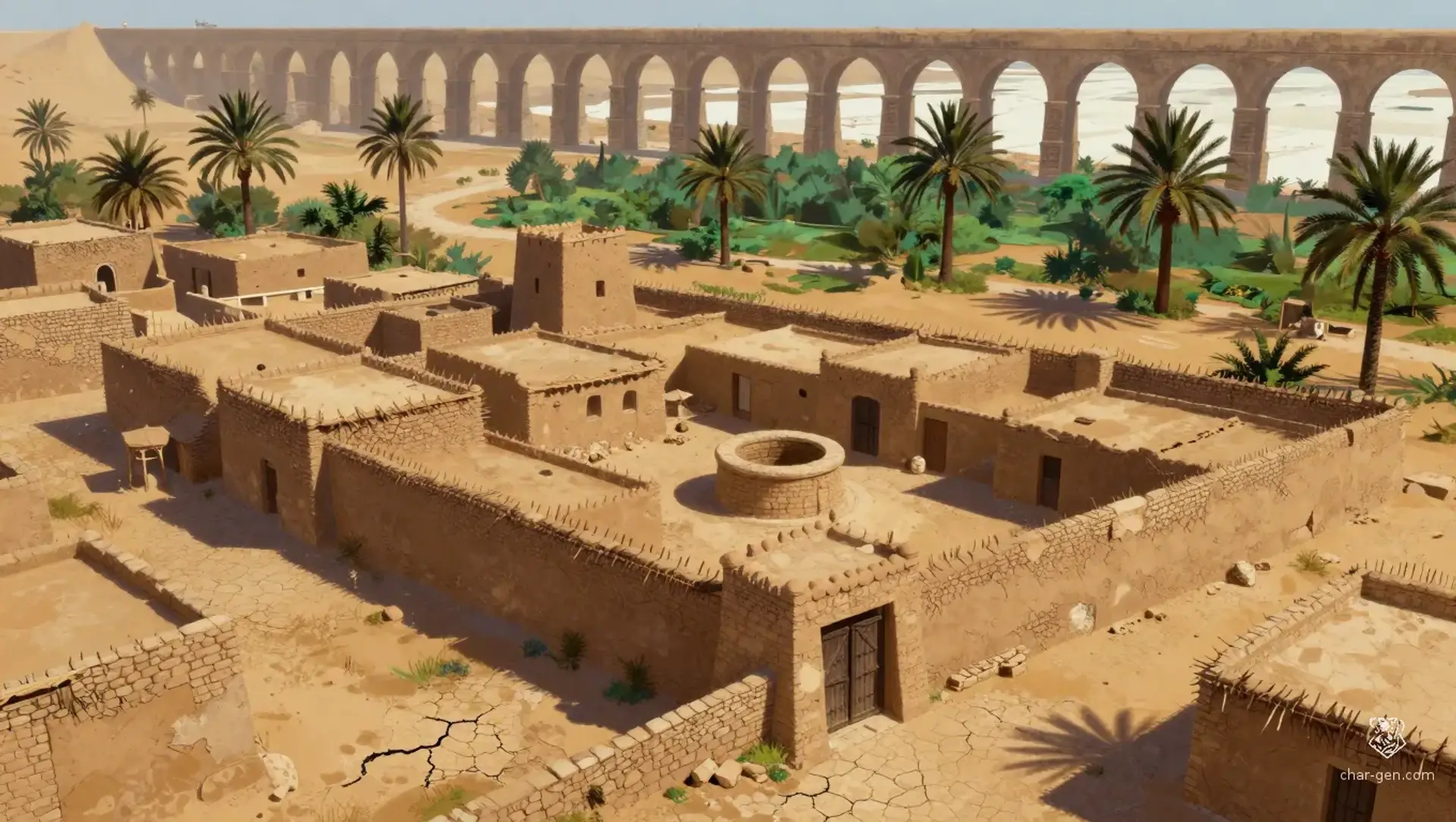
Red Palm - AI-generated fantasy Settlement

Red Palm

Red Palm is a desert village built where an old canal bed meets a shallow aquifer. Traders stop here because the water is steady, the shade palms are old, and the road between salt flats and the inland estates has no better rest within two days' ride. The village exists because a buried cistern, dug by long-dead hands, still feeds a communal well that only a few families are trusted to open.

Village

Red Palm

A desert village that survives because one family holds the cistern keys and everybody knows it.

TypeVillage
PopulationAbout 420 permanent residents, swelling to nearly 700 when caravans and seasonal laborers are in town.
WealthModest and uneven. A few households keep silver pieces, most people deal in copper, and large purchases are settled with labor, grain, or caravan notes.
GovernmentWater-ward household council ruled in practice by the keeper of the cistern keys.
ReadinessModerate but strained. The village can rally fast against raiders, but every able spear is also needed to guard water, escort carts, or patrol the dunes for thieves.
Red Palm is a desert village built where an old canal bed meets a shallow aquifer. Traders stop here because the water is steady, the shade palms are old, and the road between salt flats and the inland estates has no better rest within two days' ride. The village exists because a buried cistern, dug by long-dead hands, still feeds a communal well that only a few families are trusted to open.

A hard little desert village built around a shared well and a stubborn ledger. By day the place is all glare, dust, and careful bargains over water. By night the streets fill with cool talk, shuttered windows, and the sound of someone always taking notes. Everyone knows the village lives because one family controls the cistern keys, and everyone pretends not to notice how often that turns into arrests.

Gallery

No images yet. Click to add.

Connections

Geography

RegionA desert crossroads village on the edge of a salt flat and a line of old irrigation ruins.
ClimateHot, dry, and brutally bright by day, with sharp cold after sunset. Windblown sand can seal lanes in an hour, and sudden winter rain turns the canal bed into a knife of mud.
TerrainFlat sand broken by date groves, low mudbrick homes, and the cracked remains of a buried aqueduct that still channels runoff toward the cistern.
Travel Links
South to the salt flats in one long dayEast to the inland road and estate landsNorth to a ruined waystation half-buried by dunesWest to a caravan trail that follows the old canal bed

Culture

Practical mercy is praised, waste is hated, and every favor is expected to return in kind. The villagers respect patience more than bravery, because in the desert the slow choice is often the one that keeps people alive. Public honesty matters only when it helps settle disputes, which means everyone is polite and suspicious at the same time.

Races
HumansDwarvesHalflings
Religions
The Seven WellsThe Road-MotherAncestor veneration
Arts & Entertainment

Storytelling, knotwork, and sandboard races between the low roofs are favored, but most leisure happens in shaded courtyards with dice, tea, and argument. Songs are short because water is scarce and heat is merciless. The best entertainers are memory keepers who can recite debts, marriages, and old insults without looking at a ledger.

History

Government

LeaderMarra al-Hadid, the eldest keyholder, a cautious woman with a sharp memory and a bad habit of believing every problem can be delayed one more season.
Water-ward household council ruled in practice by the keeper of the cistern keys.
Key Laws
No one may draw water after the bell without a tokenCaravan goods may be stored three days without fee, then taxedWeapons must be checked at the gate during market nightsDisputes over debt are heard at the cistern steps before sunset
Problems
Water is being stolen, but the one person with authority is too proud and too connected to act cleanly.

The cistern count no longer matches the visible flow, and someone is siphoning water through the old aqueduct at night. The leader refuses to accuse her own kin, so the theft keeps growing while tempers do the same.

A labor dispute is turning into a test of who actually owns the village.

The Palm Cutters want a public hearing on the charter, and the Keyholders answer with arrests for minor offenses. Each arrest makes the next protest larger, and the militia is being asked to choose sides.

Economy

Industries
Caravan supportDate grovesWell tendingSalt hauling
Scarcity

Clean water, hardwood, and good iron are always short. When the cistern runs low, the whole village starts trading favors instead of coin.

Wealth LevelModest and uneven. A few households keep silver pieces, most people deal in copper, and large purchases are settled with labor, grain, or caravan notes.
Exports
DatesSalt fishCamel tackReed mats
Imports
TimberIron toolsLamp oilMedicine

Defenses

ReadinessModerate but strained. The village can rally fast against raiders, but every able spear is also needed to guard water, escort carts, or patrol the dunes for thieves.
Fortifications
Sunbaked mudbrick wallWatch tower over the cistern yardNarrow gate lined with spiked brushRaised signal platform for sandstorm warnings
The Cistern Watch(18)

A small militia of caravan guards, herders, and two retired mercenaries who train whoever can hold a spear. They are competent in a skirmish and nervous in a siege.

Law & Order

crime Level
Moderate, but sharply punished when water or caravan goods are involved.
enforcement
The Cistern Watch handles theft, fights, and trespass, though the Keyholders can override them on water cases. Bribes are common, especially in copper pieces or labor promises.
typical Punishment
Fines, forced labor on the canals, or public ration reduction for repeat offenders.

Calendar of Events

Visual sheet

Turn Red Palm into a sheet

A high-res, share-ready sheet you can post or print.