Typically 70 to 90 years, though vigorous lives, blessed bloodlines, and hardship can stretch or shorten that span.
Habitat
Nearly everywhere, from port cities and river valleys to high passes, frontier forts, caravan roads, and old imperial heartlands.
human-based
adaptable
cross-cultural
frontier
family-centered
D&D 5E 2024
homebrew ancestry
common ancestry
prose mechanics
field guide
Dylan-friendly
versatile
roadwise
artisan
wanderer
reimagined human kin
no-ip-safe
original species design
medium humanoid
commoner nobility
survivalist
story-driven
accessible
player character ancestry
balanced
genre-fantasy
high fantasy
custom lineage feel
community
travel
reinvention
legacy
naming conventions
roleplay hooks
subspecies
proficiencies
skill flexibility
tool flexibility
exhaustion resilience
humanoid culture
mixed faiths
architectural adaptation
regional heritage
fictional anthropology
SizeMedium
Speed30 ft.
LifespanTypically 70 to 90 years, though vigorous lives, blessed bloodlines, and hardship can stretch or shorten that span.
Creature TypeHumanoid
Wayfarer Humankin are the world's great adaptors, born with the instinct to survive the flood, the famine, the war, and the long road between them. In play, they are the people who become whatever the moment requires, not because they lack identity, but because they have turned reinvention into a kind of heritage.
Physical Description
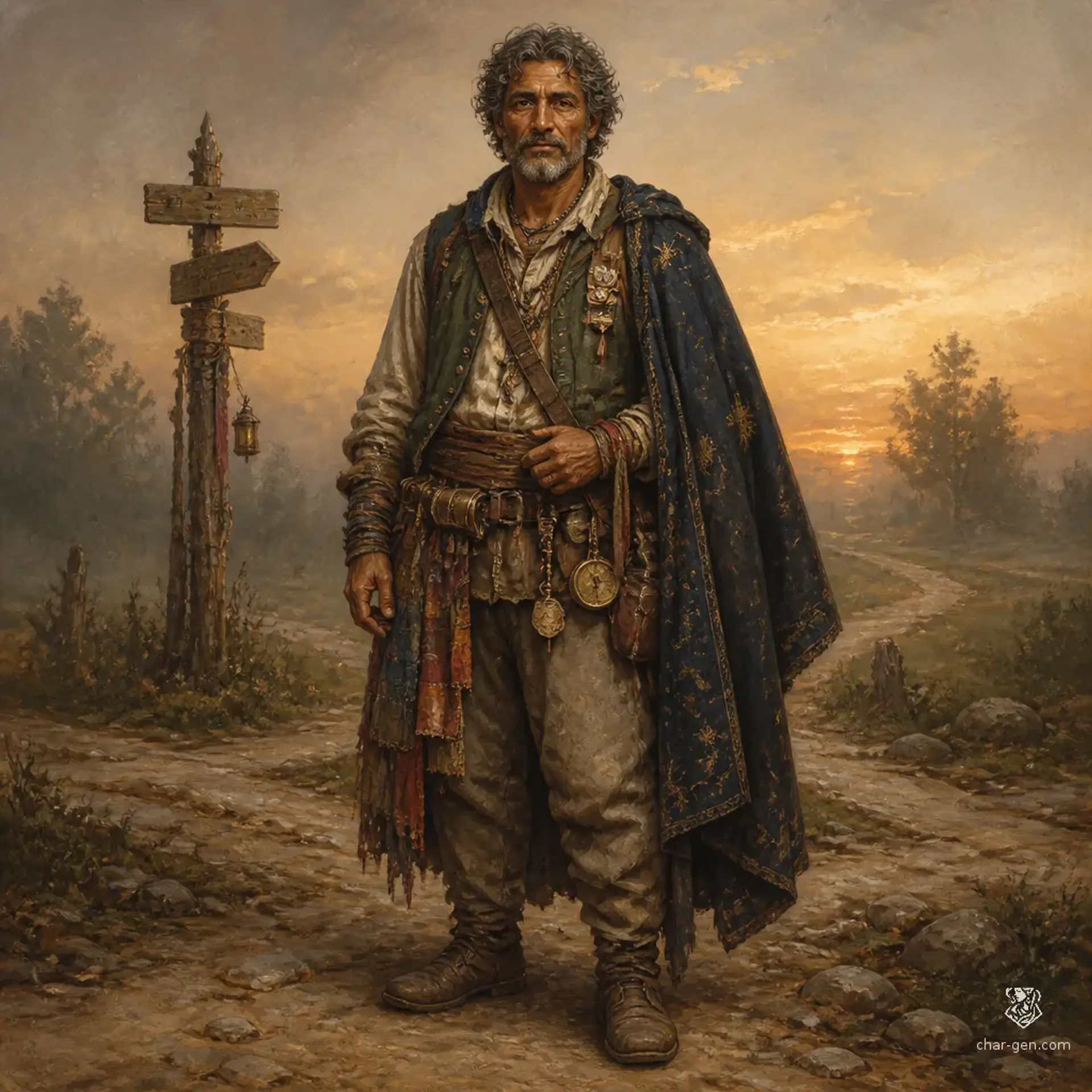
Wayfarer Humankin are ordinary in the best and worst ways: varied in height, build, skin tone, eye color, and hair texture, with no single silhouette that defines them. What sets them apart is a subtle intensity of expression, as if each face is always mid-thought. Their clothing is practical and layered, often repaired many times, and many families favor stitched tokens, wrapped cords, or small pins that mark home, trade, or vows.
Society & Culture
Wayfarer Humankin societies value exchange, apprenticeship, and the ability to make a useful life almost anywhere. Children are raised by networks of kin, mentors, and neighbors rather than by isolated households alone. A skilled storyteller, a patient mason, a caravan scout, or a treaty witness can earn as much honor as a soldier or noble. Their festivals tend to celebrate reunions, seasonal departures, and the completion of difficult work, because all three are understood as forms of survival.
Religion & Alignment
Their faiths are practical and diverse. Some honor ancestor spirits, some keep hearth gods, some follow stars, saints, or roads, and most are comfortable with mixed devotion. As a people they lean neither toward one alignment nor another, though they often prize flexibility, personal agency, and the belief that a bad beginning does not demand a bad ending.
Homelands & Architecture
Their homelands are usually crossroads rather than kingdoms, places where many peoples meet and nothing is meant to last forever. Their architecture reflects that spirit: adaptable homes with moveable walls, steep roofs, hidden cellars, and courtyards planned for work, prayer, and refuge all at once. Even their grandest buildings favor repairs over replacement, so a hall may hold six centuries in its beams and a dozen styles in its stonework.
Relationships With Other Peoples
They are often the first to trade, negotiate, marry, migrate, or mediate with others, which makes them both indispensable and suspect. Many peoples see them as useful bridges between cultures, while others think them rootless, opportunistic, or impossible to truly know. In truth, their deepest loyalties usually run to people, places, and obligations rather than to blood alone.
Visual sheet
Turn Wayfarer Humankin into a sheet
A high-res, share-ready sheet you can post or print.