Usually 70 to 90 years, though those who endure intense visions, cult scrutiny, or spiritual asceticism may age more quickly in body than in spirit.
Habitat
Oracle-blooded people are found almost anywhere humans live, though they cluster in monasteries, river towns, observatories, pilgrimage routes, and cities with strong traditions of divination or dream interpretation.
Humanoid
Human-kin
Prophetic
Mystic
Seer-blooded
Standard PC
D&D 5E 2024
Homebrew
Field Guide
Wisdom
Charisma
Culture-Heavy
No Em Dash Style
Oracle
Fatebound
Dream-Touched
Temple
Scholarly
SizeMedium
Speed30 ft.
LifespanUsually 70 to 90 years, though those who endure intense visions, cult scrutiny, or spiritual asceticism may age more quickly in body than in spirit.
Creature TypeHumanoid
Oracle-blooded humans are the children of fortunate accidents and dreadful certainties, people who live with a mind constantly brushing against the next moment. They are not all prophets, not all saints, and not all doomed, but every one of them knows the peculiar burden of being occasionally correct about things nobody wants to hear. Some spend their lives deciphering dreams, some build defenses against the future, and some decide that if destiny is coming for them, it will have to knock twice.
Physical Description
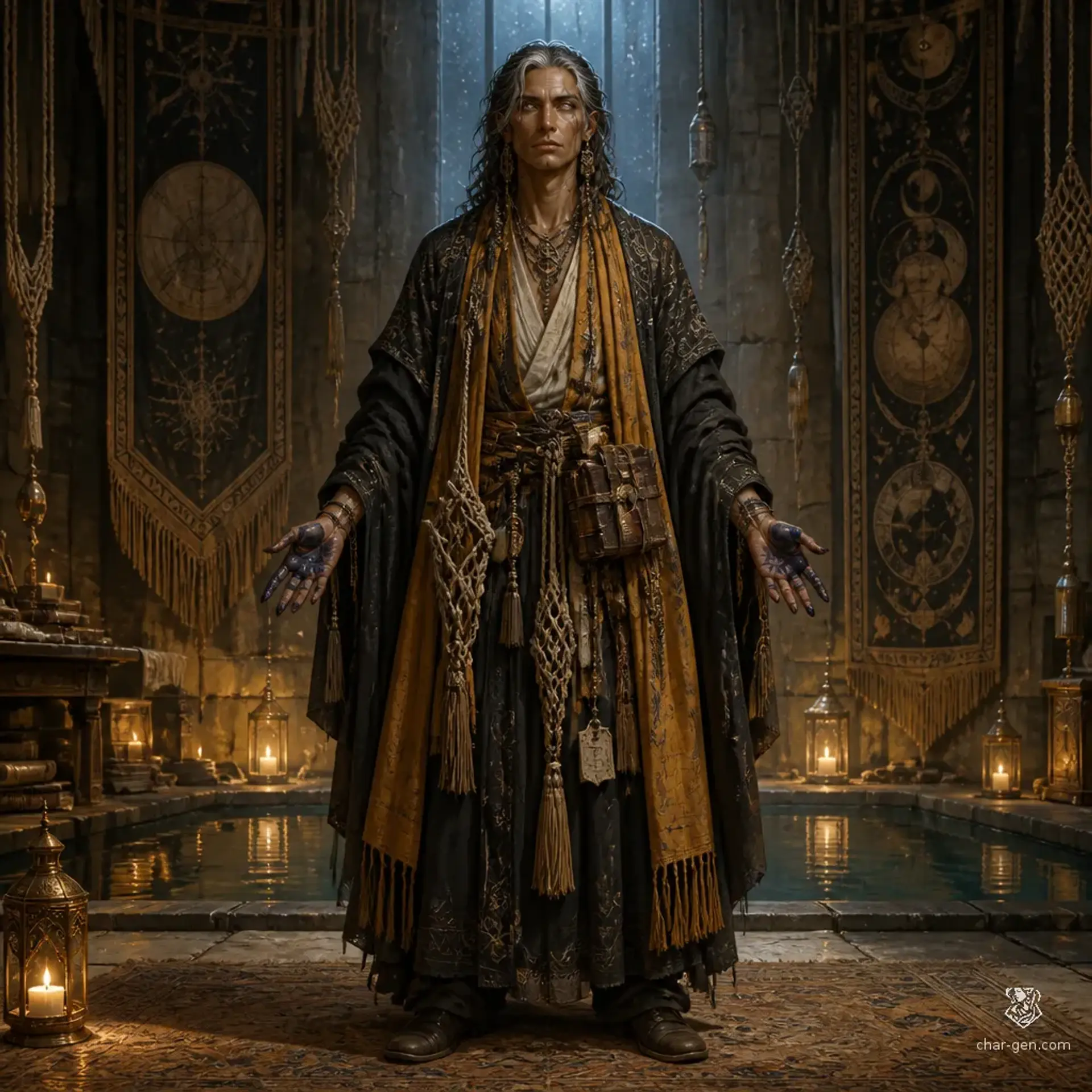
Oracle-blooded humans look broadly human, but many carry subtle signs of their inherited sensitivity. Their eyes may seem strangely reflective in low light, their pupils unusually sharp or mist-like, and their gaze often carries the unmistakable focus of someone listening to a second conversation no one else can hear. Some have crescent scars from childhood fevers, pale streaks in hair that arrived too early, or fingertips stained permanently by incense, ink, or ritual oils. Their voices are often described as steady, quiet, and difficult to interrupt, even when they are not trying to be imposing.
Society & Culture
Oracle-blooded culture centers on interpretation. They keep dream journals, prophecy knots, inked thread-sheets, coin stacks, and chant cycles that help separate insight from anxiety. Children are taught that not every vision is a command, and not every feeling is a clue. Many communities hold weekly readings where elders compare dreams, weather signs, and social rumors, then decide what should be done now, later, or never. The best among them are not the loudest prophets, but the best listeners. Their greatest shame is not being wrong, but using foresight to dominate others instead of helping them choose.
Religion & Alignment
They are drawn to gods of knowledge, fate, dawn, death, stars, and hidden roads, but many become wary of any faith that claims perfect certainty. Their alignment trends are varied rather than fixed, though they often lean toward conscientiousness because a life of forewarning rewards patience, responsibility, and self-knowledge. A minority become fatalists, deciding that if the future is known at all, moral effort is pointless. Most of their kind reject that conclusion with great feeling.
Homelands & Architecture
They do not build a single distinctive homeland so much as they leave fingerprints on the places they inhabit. Their houses and sanctuaries favor quiet chambers, shaded windows, reflective pools, hanging chimes, and narrow halls that muffle the world. Many communities keep a veiled room for dream records, consultation, and grief, since the future is considered easiest to hear where voices are softened.
Relationships With Other Peoples
Other humans often treat oracle-blooded people as valuable, suspicious, or both. Scholars seek them for counsel, rulers want them near but not influential, and common folk may consult them in secret while publicly denying any interest in prophecy. Most oracle-blooded individuals learn early that trust is fragile when people believe your words can reach beyond the present. They get along best with those who value honesty over spectacle and who can hear a warning without mistaking it for control.
Visual sheet
Turn Threadseers into a sheet
A high-res, share-ready sheet you can post or print.