Inherited from the parent species. If the parent species allows a choice, use that choice.
Rare
Humanoid
Humanoid·Inherited from the parent species. If the parent species allows a choice, use that choice.
Everreturn
Homo redivivus
Speed
Inherited from the parent species.
Lifespan
Everreturn do not die of old age. Their bodies may remain physically mature for centuries, usually retaining the appearance and natural aging pattern of their parent species until that process would ordinarily end. Death can occur through violence or other lethal harm, after which the same body returns within 24 hours, often after minutes or several hours.
Darkvision
Inherited from the parent species, if any.
Habitat
Everreturn live wherever their parent species lives, though many favor settlements with healers, memorial traditions, hidden chambers, and reliable records. They are especially common near battlefields, plague roads, ancient ruins, and cities where death is witnessed often enough to become bureaucracy.
immortal
resurrection
regeneration
parent-lineage
deathless
gothic-fantasy
rare-ancestry
SizeInherited from the parent species. If the parent species allows a choice, use that choice.
SpeedInherited from the parent species.
LifespanEverreturn do not die of old age. Their bodies may remain physically mature for centuries, usually retaining the appearance and natural aging pattern of their parent species until that process would ordinarily end. Death can occur through violence or other lethal harm, after which the same body returns within 24 hours, often after minutes or several hours.
Creature TypeHumanoid
DarkvisionInherited from the parent species, if any.
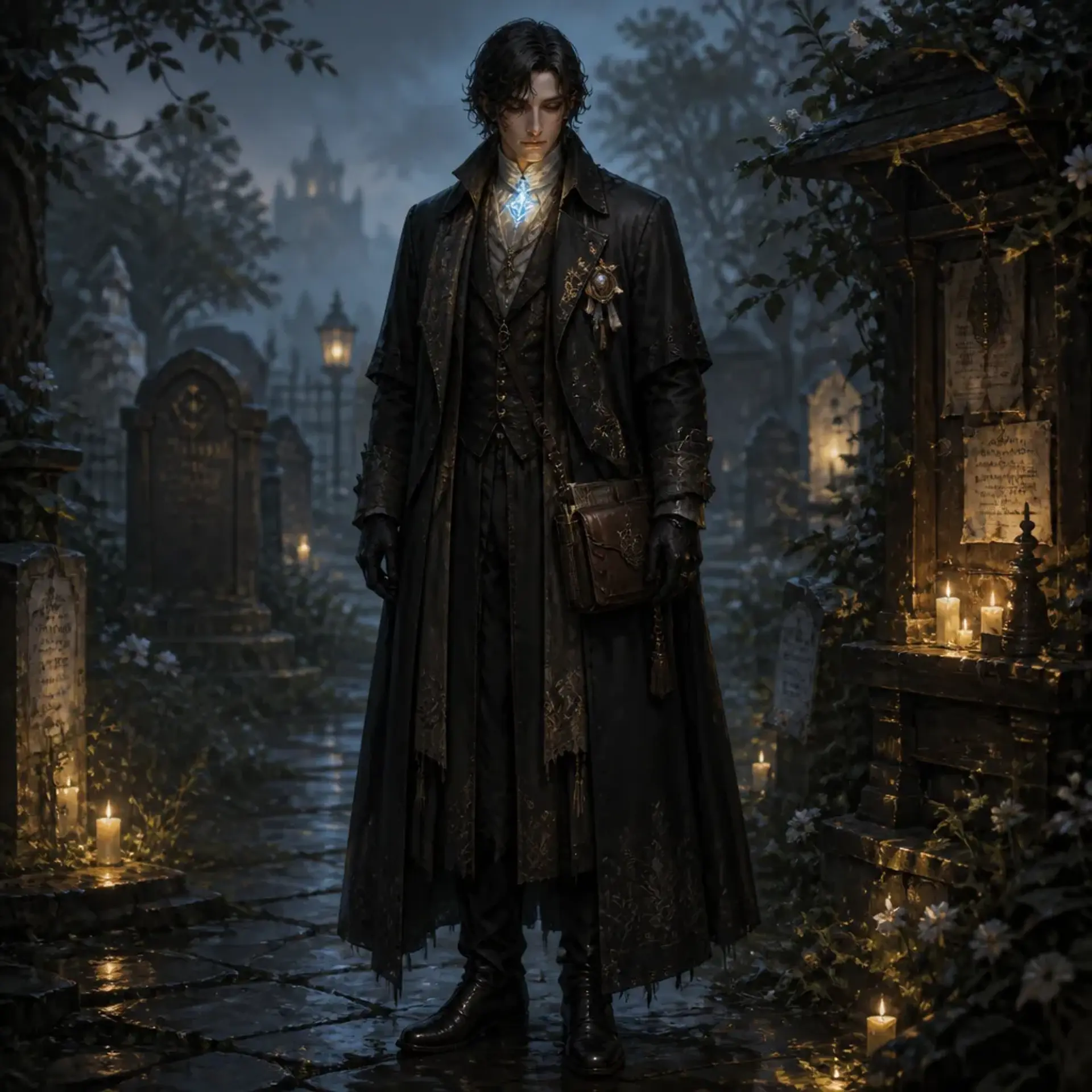
They look like one of the people you already know, until the blade goes in and the wound closes without a mark. They can die, and they do die, but the grave is only a door that has not learned to stay shut. Somewhere between the first death and the hundredth, every Everreturn must decide whether coming back is a promise, a punishment, or simply what their body does when the world refuses to let them go.
Physical Description
An Everreturn has the body and most visible characteristics of their parent species. Their flesh does not scar. Cuts close cleanly, burns fade without texture, and broken bones knit without leaving the ordinary marks of injury. Their eyes may briefly cloud, their pulse may vanish, and their skin may cool during death, but the body itself remains recognizable. When they return, the process is often unsettlingly quiet: a breath, a twitch, a sudden focus in the eyes, and the terrible realization that grief has arrived too early.
Society & Culture
Everreturn society is built around continuity. They maintain death ledgers, witness rituals, sealed wills, and return names used only after resurrection. A returned Everreturn is given time to recover before being expected to resume obligations, because memories may arrive in fragments and emotions may lag behind events. Their communities debate whether each return is the same life continuing or a new life wearing an old body. Among them, the most important courtesy is never to ask how someone died before asking whether they are ready to discuss it.
Religion & Alignment
Everreturn often distrust gods and philosophies that treat death as a clean boundary. Some become devoted to death deities, believing resurrection makes their lives a sacred exception rather than a personal achievement. Others follow ancestors, memory spirits, cycles of nature, or no faith at all. They tend toward alignments shaped by their parent culture, though long experience may push them toward patient neutrality, fierce protection, or ruthless calculation.
Homelands & Architecture
They have no homeland of their own. Everreturn architecture is usually inherited from the parent people, but their private spaces often include sealed recovery rooms, duplicate personal effects, death ledgers, and doors designed to be opened from either side. Some communities maintain return houses where the newly revived can be sheltered until memory, identity, and social obligations settle back into place.
Relationships With Other Peoples
Everreturn retain the culture, physical heritage, and ordinary ancestral traits of the parent species into which they were born. Some parents celebrate the returner as a guardian against loss, while others fear that the child is an omen, a thief of graves, or a person who can never fully belong. Other immortals recognize one another by subtle gestures, shared death rituals, or the absence of scars. The oldest and most dangerous taboo is murder among the Everreturn, because killing one of their own can end that victim permanently and may allow the killer to absorb the victim's inherited ancestral traits.
Visual sheet
Turn Everreturn into a sheet
A high-res, share-ready sheet you can post or print.