
Unnamed pantheon
Origin
The pantheon arose when six divine powers united to arm the world against the Great Wizard Tolkien. Their relic-work succeeded, but the victory exposed the fault lines among them, and the religion was born from the aftershock of cooperation, betrayal, and the fear that the old weapons might be needed again.
Cosmology
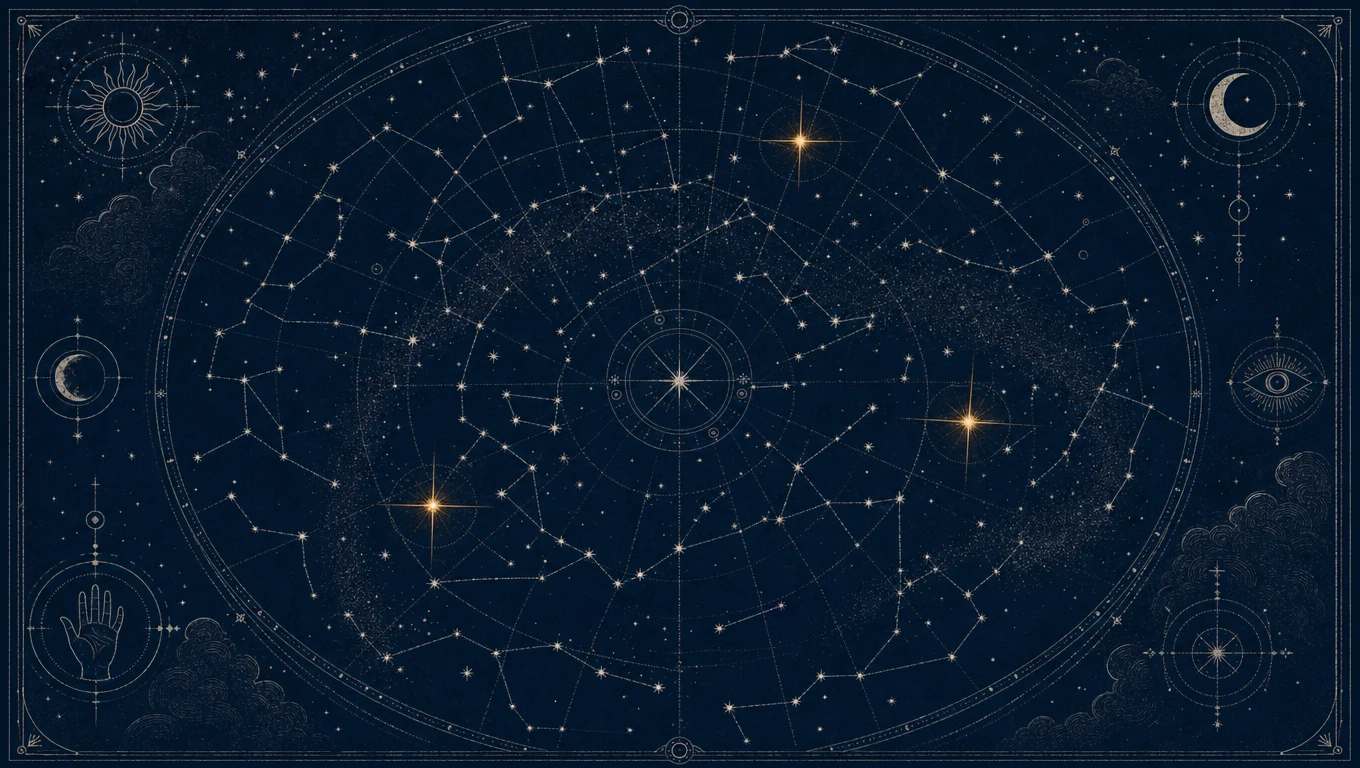
Reality is imagined as a remote sky-forge divided into six far chambers, each ruled by one god’s aspect. Between them lie black roads of ash and starlight where oaths travel before bodies do. The three relics—armor, sword, and crown—are not mere objects but celestial principles: protection, judgment, and legitimacy. Their power is greatest when the six deities are in uneasy accord, weakest when even one name is denied.
Structure
The religion is organized as a sixfold covenant rather than a single church. Each temple maintains one primary god and a secondary alliance, while an order of oathkeepers oversees relic doctrine and arbitrates disputes. Shrines are often paired: forge with road, law with battle, mercy with ambition. The high ritual of the faith is the Reforging, in which clergy symbolically assemble armor, sword, and crown to reaffirm that power must be shared or it will rot.
Mortal Relations
Most mortals approach the pantheon through local shrines tied to one god, but all clergy acknowledge the sixfold covenant. Kings seek Asterion and Caldrin for legitimacy, soldiers favor Brakka and Vael, pilgrims honor Myr, and ambitious households sometimes make secret offerings to Soryth. The faith endures because no single deity can fully sever the others’ claims.
Afterlife
The faithful are believed to pass beyond the stars into the Quiet Foundry, a distant celestial workshop where souls are tempered into metal, light, or rune-stone before being released into new ages. Those loyal to the old oath are remembered in the Hall of Six Blazons, while the oath-breakers are said to drift into the Hollow Dark, unable to hear the names of Asterion, Brakka, or Soryth. The afterlife is not a paradise so much as an endless, remote service: souls polish armor, carry messages between the gods, and wait for the next age when the crown must be raised again.
Turn Unnamed pantheon into a sheet
A high-res, share-ready sheet you can post or print.